Texas food is full of surprises. You might think you know barbecue and chili, but some dishes here leave outsiders scratching their heads.
Many of the most beloved Texas foods—like kolaches, Frito pie, and even breakfast tacos—seem normal if you grew up here, but they can be surprising or even confusing to visitors.
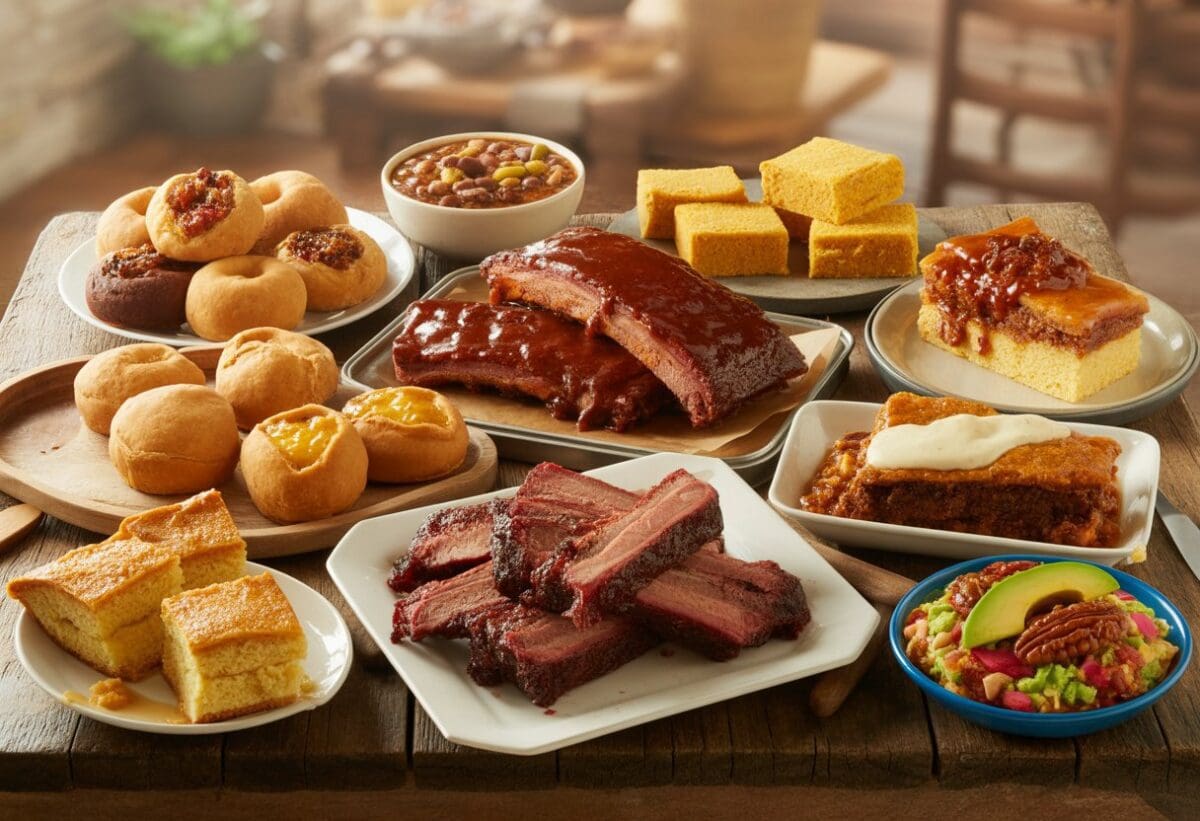
I’ve eaten my way across the state and picked up plenty of stories behind these dishes. Chicken-fried steak, Dr Pepper cake, and brisket all have quirks that set them apart from what you’ll find elsewhere.
If you’ve ever wondered what a kolache is or why Texans toss corn chips into chili, you’re in the right place. Let’s dig into 13 Texas favorites—flavors and recipes you probably won’t spot anywhere else.
- Kolaches and Klobasniky: Texas’s Sweet and Savory Pastry Debate
- Texas Barbecue Legends
- Tex-Mex Classics That Puzzle Outsiders
- Texas Chili and Its Legends
- Chicken-Fried Steak: A Southern Comfort Mainstay
- Lone Star Sweets and Iconic Treats
- Legendary Beverages with Texas Roots
- Unique and Surprising Texas Foods
Kolaches and Klobasniky: Texas’s Sweet and Savory Pastry Debate
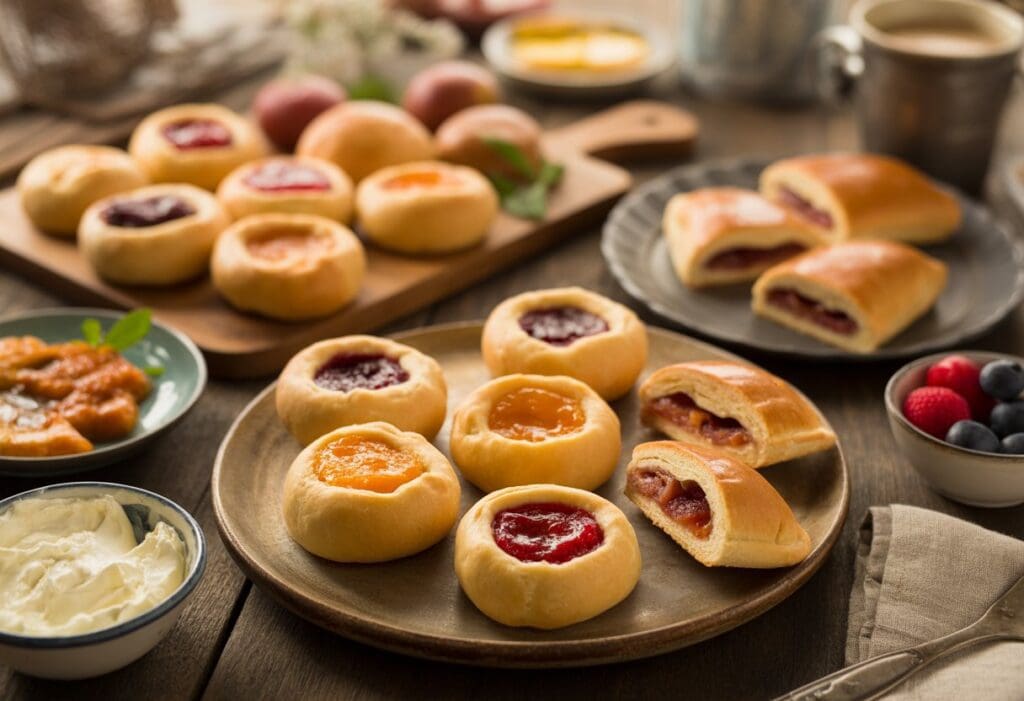
Kolaches and klobasniky look almost identical, but the taste and tradition are a whole different ballgame. I grew up calling everything a “kolache,” but it turns out that’s not quite right.
Traditional Czech Kolaches Explained
The original kolache comes from Czech immigrants who settled in Texas back in the 1800s. “Kolache” comes from the Czech word “kola” (wheels), and you can see why—the pastry is round and flat.
It starts with soft, sweet yeast dough, hollowed in the middle. The filling is what really matters. Czech families usually go for fruit—apricot, prune, cherry, maybe poppy seed.
They’re meant to be sweet, not savory. The fruit and the dough together make them disappear fast at family gatherings.
Klobasniky vs. Kolache: What’s the Difference?
Plenty of Texans call any stuffed bun a “kolache,” but that’s not the whole story. A klobasnek (plural: klobasniky) is the savory version, stuffed with sausage, cheese, or jalapeño.
Klobasa means “sausage” in Czech, which makes sense. Klobasniky actually started in Texas, not in Europe. In the 1950s, bakeries in West, Texas, started wrapping sausage in kolache dough, and it stuck.
Here’s how they stack up:
| Kolache | Klobasnek/Klobasniky | |
|---|---|---|
| Origin | Czech Republic | Texas, Czech immigrants |
| Filling Type | Sweet fruit, poppy seed | Savory sausage, cheese, etc. |
| Tradition | Family gatherings | Texas bakeries, breakfast |
So when I order a “sausage kolache,” I’m really getting a klobasnek.
The Czech Belt and Its Influence
The Czech Belt runs through Central Texas, with towns like West, Caldwell, and Hallettsville at its heart. These places keep kolache and klobasniky traditions alive.
Baking here isn’t just work—it’s family heritage. I’ve noticed Hungarian and German foods in the mix, but kolaches and klobasniky are the real stars.
Local bakeries hang onto old recipes, sometimes for generations. Kolache fests pop up every year, and you can taste all sorts of fillings—some pure Czech, some pure Texas.
Where to Try Authentic Kolaches in Texas
Finding a true kolache or klobasnek isn’t tough if you know where to look. The Czech Stop in West, Texas, is practically legendary.
Whenever I’m on Interstate 35, I stop for a fresh kolache straight from the oven. Other Czech Belt towns, like Hallettsville or Fayetteville, have bakeries with traditional fruit pastries and savory klobasniky.
Some of these bakeries have been in the same family for decades. If I want the real deal, I look for scratch-made dough and old-school fillings. Some recipes go back over a century. It’s the best way to get a bite of Texas-Czech history.
Texas Barbecue Legends
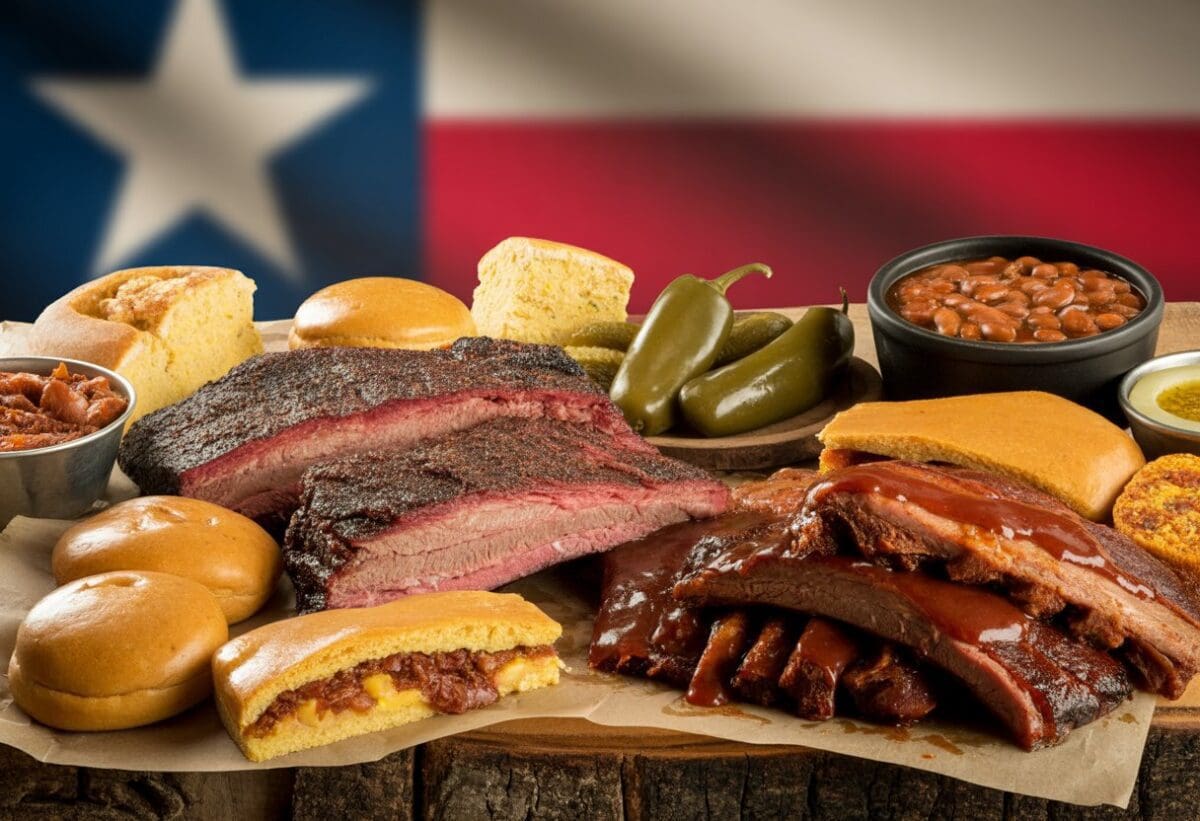
Texas barbecue is a world of beef, smoky flavors, and regional twists. Brisket, bold rubs, and slow-cooked traditions make Texas the place for barbecue fans.
Brisket and Smoked Meat Traditions
Brisket is the first thing I think of when someone says Texas barbecue. Smoked for hours over oak or pecan, it comes out with a dark, crusty bark and a juicy, tender inside.
Meat is sliced fresh and sold by the pound. Beef ribs and sausage links are prominent here too, usually with pickles, onions, and plain white bread.
Barbecue isn’t just about food—it’s a social thing. Folks gather around the smoker, swap stories, and share meals. Family secrets and recipes are passed down through the years, keeping old traditions alive.
Different Regional Styles: Central, East, South Texas
Texas barbecue changes a lot depending on where you are. Central Texas—think Austin—keeps it simple: salt, pepper, and oak smoke.
East Texas leans toward slow-cooked, falling-apart meat, often pork, chopped up and drenched in a sweet tomato sauce. Hickory smoke is everyday, and the beef usually lands on a bun.
South Texas uses mesquite wood and sometimes brings in Mexican flavors, like barbacoa (beef cheek). The taste is smokier, spicier—definitely a different vibe. Every region has its own pride.
Must-Try Barbecue Spots Across Texas
If you want brisket perfection, Franklin Barbecue in Austin is my go-to. The line is crazy, but the brisket makes it worth standing outside.
In Houston, Truth BBQ and Gatlin’s BBQ serve up killer beef ribs and smoked meats. Dallas has Pecan Lodge, which is always solid for sausage and brisket.
Here’s a quick cheat sheet:
| City | Notable Spot | Specialty |
|---|---|---|
| Austin | Franklin Barbecue | Smoked Brisket |
| Houston | Truth BBQ | Beef Ribs, Brisket |
| Dallas | Pecan Lodge | Sausage, Brisket |
Every spot brings something unique, but they all keep Texas barbecue traditions alive.
Tex-Mex Classics That Puzzle Outsiders
Tex-Mex in Texas isn’t just tacos and burritos from the drive-thru. Some favorites here feel almost mysterious to folks from out of state, but to me, they’re just normal.
Breakfast Tacos: The Morning Staple
Breakfast tacos are basically a morning ritual, especially in San Antonio and Austin. Soft flour tortillas get stuffed with eggs, potatoes, bacon, chorizo, or cheese. Sometimes there are beans or avocado, too.
You eat them by hand, usually with a side of salsa—mild or hot, your call. I find them at gas stations, food trucks, and little family joints all over.
Out-of-towners often mix them up with burritos, but breakfast tacos are smaller, lighter, and always fresh. I can’t start a road trip without one.
Menu Example:
| Filling | Tortilla Type |
|---|---|
| Bacon & Egg | Flour |
| Potato & Chorizo | Corn |
| Bean & Cheese | Flour or Corn |
Chile Con Queso and the Queso Craze
Chile con queso—just “queso” to most of us—is a hot, melted cheese dip with chiles or tomatoes mixed in. In Texas, it’s more than an appetizer. It’s what you gather around at a party.
The best queso is smooth and creamy. I like to add jalapeños for a bit of heat. Some places toss in ground beef or black beans if you want it heartier.
Queso shows up on almost every Tex-Mex menu, from big chains to tiny roadside spots. Visitors sometimes expect a cold cheese dip, but real queso is always served hot. It’s comfort food, especially on game days.
Common Queso Add-Ins:
- Green chiles
- Diced tomatoes
- Jalapeños
- Ground beef
Frito Pie: The Ultimate Comfort Food
Frito pie always gets a reaction from people who didn’t grow up here. It starts with a pile of crunchy Fritos, then gets smothered in chili con carne, topped with cheese, onions, and maybe jalapeños.
The classic way? Right in the Fritos bag—rip it open, pour in the chili, sprinkle cheese, and dig in with a fork. The chips stay crisp at the edges but soak up the chili underneath. It’s salty, savory, and reminds me of childhood.
You’ll spot Frito pie at fairs, football games, and small-town diners all over Texas. It might sound odd, but the mix of flavors just works.
Texas Chili and Its Legends
Texas chili isn’t just a bowl of stew. Its roots, rules, and traditions shape how folks here—and plenty outside the state—think about chili con carne.
Texas Red Chili: No Beans Allowed
In Texas, chili means business. Texas Red Chili, or chili con carne, comes loaded with big beef chunks, a mix of dried chiles, and a punch of bold spices.
What really separates Texas chili from the rest is its strict rule: no beans, no tomatoes. For some folks outside Texas, that’s a shock, but here, beans just get in the way of those pure beef and chile flavors.
The red color? That’s all from the dried chiles—guajillo and arbol are favorites—soaked and blended into a deep, spicy paste. The taste is smoky and rich, sometimes with a hint of coffee or cocoa for extra depth.
Cornbread or saltines usually show up on the side. Texans love tradition, and this “bowl of red” is the real deal.
Key Ingredients Table:
| Ingredient | Role |
|---|---|
| Beef (usually chuck) | Main protein |
| Dried red chiles | Deep color and heat |
| Chili spices (cumin, etc.) | Signature flavor profile |
| Beef stock | Liquid base |
| No beans, no tomatoes | Essential Texas rule |
The Chili Queens of San Antonio
Back in the late 1800s, San Antonio’s Chili Queens turned chili con carne into a legend. Every evening, they set up open-air stalls in city plazas, serving steaming bowls of spicy red chili to locals, travelers, and anyone who wandered by.
Their food drew people in, but their personalities and hospitality kept folks coming back. The stalls buzzed with conversation and became the heart of the city’s social scene.
These women cooked chili over open flames, each with a guarded blend of chiles and spices. Bread or tortillas came on the side, and their chili attracted everyone from soldiers to politicians.
San Antonio still honors the Chili Queens with chili festivals. Their influence runs deep in Texas food culture.
Chili Parlor Culture
Texas chili parlors have a vibe all their own. These casual, no-frills restaurants started popping up in the early 1900s, each one serving its own take on chili con carne.
Some parlors keep their recipes under lock and key—family secrets passed down for generations. You can get a classic “bowl of red,” maybe with cheese, onions, or jalapeños on the side.
I’ve spotted chili poured over spaghetti, rice, or even crumbled onto burgers and hot dogs. The atmosphere? Usually bustling and friendly, with simple menus and walls covered in local memorabilia.
Visiting a Texas chili parlor isn’t just about the food. It’s about community, tradition, and a hefty dose of Texas pride.
Chicken-Fried Steak: A Southern Comfort Mainstay
Chicken-fried steak is a Texas staple, famous for its crunchy breading, tender beef, and creamy, peppery gravy. There’s something about this dish—maybe it’s the mix of local ingredients and old-world techniques—that you just don’t find anywhere else.
Origins and Distinction from Other Fried Steaks
Chicken-fried steak, or CFS, first hit Texas tables in the late 1800s. German and Austrian immigrants brought over the idea from Wiener Schnitzel, but switched out veal for beef.
Here’s the twist: there’s no chicken involved. The name comes from the breading and frying method, just like fried chicken.
The gravy makes all the difference. Chicken-fried steak gets topped with thick, white, peppery cream gravy. Country-fried steak, on the other hand, comes with brown sauce.
Texture matters—a good chicken-fried steak keeps its crunch even under a blanket of gravy.
| Dish | Main Meat | Breading | Gravy Type |
|---|---|---|---|
| Chicken-Fried Steak | Beef (cube) | Flour/egg | White/cream |
| Country Fried Steak | Beef (round) | Flour only | Brown |
Honestly, the way Texans mix these old techniques with local flavors makes chicken-fried steak a true classic.
Where to Find the Best Chicken-Fried Steak
Most Texas diners and cafes serve chicken-fried steak, but a few places have become legends. Mary’s Cafe in Strawn is one of those spots—people drive hours just for a plate of their crispy steak smothered in homemade gravy.
Small-town cafes often have short menus, but their chicken-fried steak is usually hand-breaded and cooked fresh. Dallas and Houston have their own famous versions, but honestly, the best ones often come from roadside cafes or family-run joints.
When I’m craving the real thing, I look for places where the cooks are proud to serve it. It almost always comes with mashed potatoes, green beans, or corn, and somehow the plate never seems big enough for the portion.
Lone Star Sweets and Iconic Treats
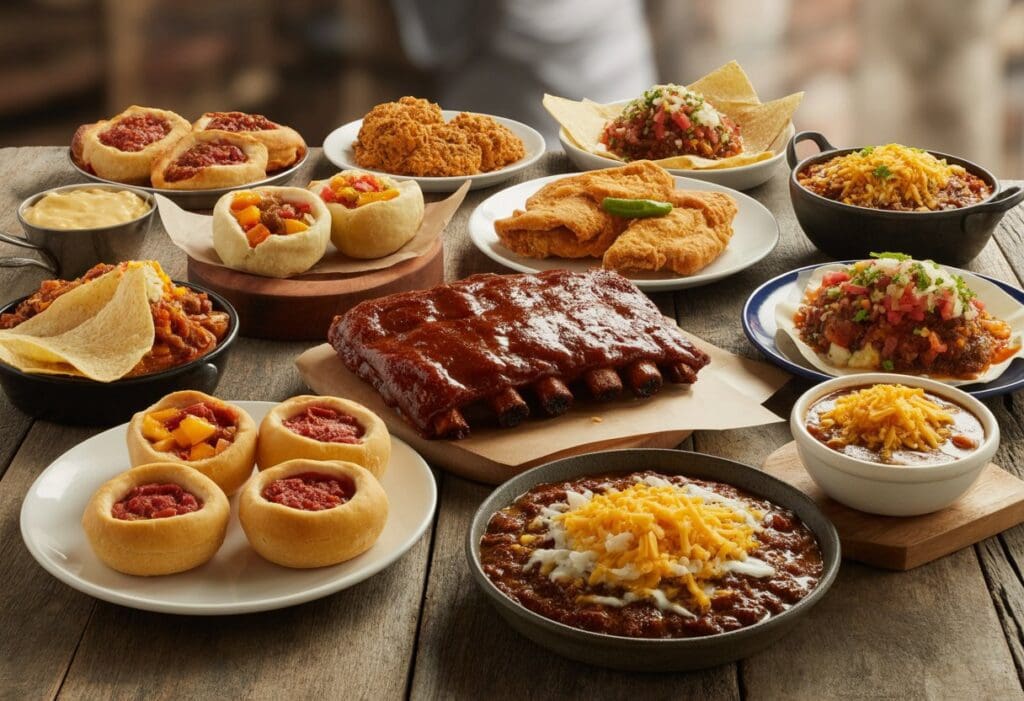
Texas has a knack for bold flavors and homegrown favorites. A few sweet treats stand out, both for their taste and the stories behind them.
Texas Sheet Cake: Giant, Chocolatey, and Local
If you ask me about classic Texas desserts, Texas sheet cake jumps to mind first. It’s a big, flat chocolate cake baked in a sheet pan, with a moist texture thanks to buttermilk and a warm chocolate pour.
The icing—rich and chocolatey—gets poured on while the cake’s still hot, soaking right in. Sometimes you’ll see pecans sprinkled on top for a little crunch.
Why does it stand out? Well:
- Large servings – Feeds a crowd, no problem.
- Strong chocolate taste – Cocoa-heavy and rich.
- Simple ingredients – Most folks already have what they need at home.
People from outside Texas often expect tall cakes, but these thin, decadent squares are pure comfort food. At potlucks, they’re a staple.
Pecan Pie: A Slice of Texas Hospitality
Pecans thrive in Texas—the pecan tree is even the state tree. So, pecan pie isn’t just dessert here; it’s part of Texas culture.
The filling is sticky and sweet, made from corn syrup, sugar, eggs, and a generous heap of pecans. I love the way the flaky crust mixes with the crunchy, nutty topping.
Some folks spike their pies with bourbon or toss in chocolate for a twist. Pecan pie shows up at holidays and family gatherings, served warm or at room temperature, often with a scoop of ice cream.
| Main Ingredients | Flavor | Special Touches |
|---|---|---|
| Pecans, syrup | Nutty, sweet | Bourbon, chocolate |
A good pecan pie really lets the flavor of fresh Texas pecans shine. To me, it’s a taste of genuine Texas hospitality.
Blue Bell Ice Cream and Other Local Favorites
Blue Bell ice cream belongs on any list of Texas desserts. The company started in Brenham, and, honestly, most locals won’t touch another brand.
Popular flavors include Homemade Vanilla, Cookies ‘n Cream, and Southern Blackberry Cobbler. Texans love a scoop with pie or cake, and some shops even float it in Dr Pepper or pair it with fresh peaches in summer.
You’ll also find fried pies, cream-filled kolaches, and caramel pecan rolls in Texas bakeries. But nothing says summer here quite like a bowl of Blue Bell after a big meal.
Legendary Beverages with Texas Roots
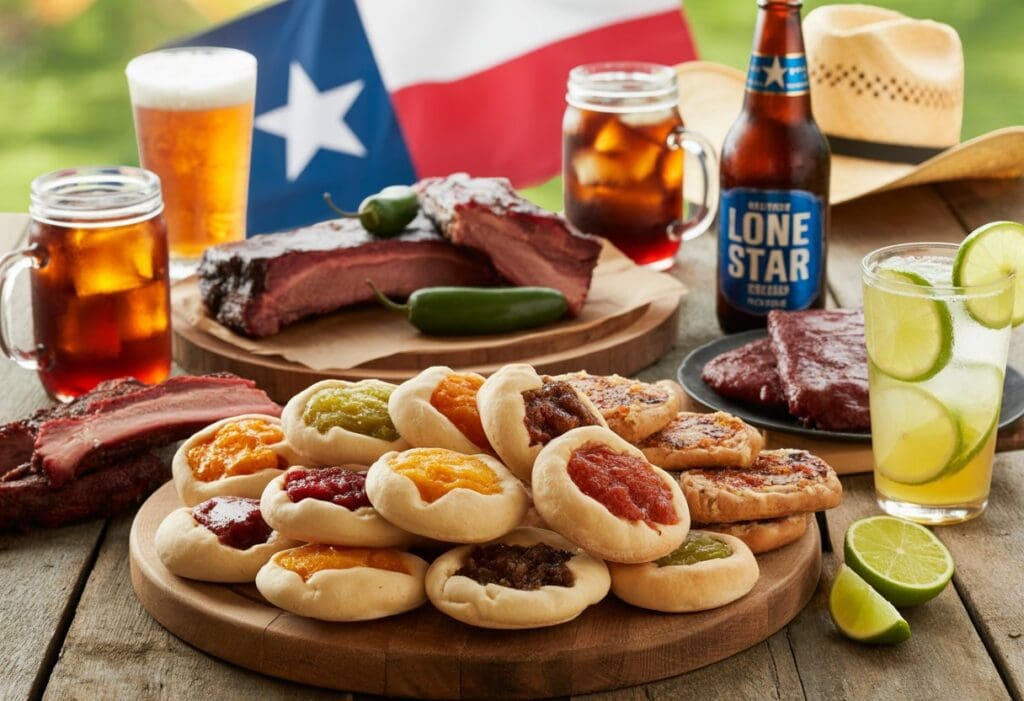
Texas has birthed some iconic drinks. Some started as local favorites and ended up with fans all over the country.
Dr Pepper: Created in Texas
Dr Pepper is a Texas original. Pharmacist Charles Alderton invented it in Waco in 1885.
Alderton worked at Morrison’s Old Corner Drug Store, mixing flavored syrups for customers who wanted something new. After a lot of tinkering, he landed on a drink with 23 flavors—Dr Pepper’s signature.
The drink took off in Texas and then nationwide. Some fans still talk about the old-school version made with real cane sugar in Dublin, Texas.
You can tour the Dr Pepper Museum in Waco today. For many Texans, Dr Pepper is a daily habit. I’ve seen it in barbecue sauce and even cake recipes.
Frozen Margaritas: The Invention of a Classic
The frozen margarita was born in Dallas in 1971. Mariano Martinez, a local restaurateur, came up with the idea after seeing slushie machines in convenience stores.
He rigged a soft-serve ice cream machine to churn out frozen margaritas, and the idea took off. Dallas and Houston bars jumped on board, and suddenly, frozen margaritas became the go-to for beating the Texas heat.
Martinez’s original margarita machine now sits in the Smithsonian. These days, frozen margaritas show up at nearly every Tex-Mex spot in Texas and beyond. I still get a kick out of telling people this classic party drink started right here.
Unique and Surprising Texas Foods
Texas food can catch even die-hard foodies off guard. Some dishes are so unique, visitors aren’t sure what to make of them at first.
Puffy Tacos: Light and Crispy
The first time I tried a puffy taco in San Antonio, I knew it wasn’t your average taco. The shell gets made by frying fresh masa dough, which puffs up and turns golden and crisp.
It’s soft in the middle, crispy on the edges, and then loaded with seasoned beef or chicken, lettuce, tomatoes, and cheese. The mix of textures and flavors is what makes puffy tacos special.
Locals say you have to eat them fast, before the shell softens. Outside Texas, they’re rare—maybe that’s why they feel like such a treat.
Quick Facts:
| Item | Description |
|---|---|
| Main base | Fried masa dough shell |
| Common fillings | Beef, chicken, lettuce, cheese |
| Texture | Light, airy, crispy |
Texas Toast: Thick and Buttery
Texas toast isn’t just bread—it’s sliced extra thick, usually about half an inch. I love it best as a side with barbecue or chicken-fried steak.
Each slice gets slathered with butter, sometimes garlic, then toasted or grilled until golden outside and soft inside. This bread soaks up gravy and sauce better than anything else.
Some places build sandwiches with Texas toast, since it can actually hold up to the fillings. Simple, rich, and way more filling than it looks.
Rocky Mountain Oysters: A Texan Curiosity
The name “Rocky Mountain oysters” threw me off the first time I heard it. Turns out, there’s no seafood involved at all—just battered and fried bull testicles.
Ranchers came up with this dish as a way to use every part of the animal. They usually slice the testicles, season them, coat them in breading, and drop them in hot oil.
You’ll get a crunchy bite with a surprisingly mild, meaty flavor. People sometimes dunk them in ranch or cocktail sauce, but honestly, the taste stands out on its own.
Locals seem to love introducing out-of-towners to Rocky Mountain oysters, especially at rodeos or small-town fairs. If you’re curious (or just feeling brave), you’ll probably find them on the menu somewhere in Texas.
Table: Key Features of Rocky Mountain Oysters
| Feature | Detail |
|---|---|
| Main Ingredient | Bull testicles |
| Preparation | Sliced, breaded, deep-fried |
| Common Dips | Ranch, cocktail sauce |
| Taste | Mild, kind of like organ meat |
Ruby Red Grapefruit: A Sweet Local Staple
Ruby Red grapefruits grow down in the Rio Grande Valley, and honestly, I haven’t found a sweeter grapefruit anywhere. The flesh is a bold, bright red, and the skin’s a thin yellow that peels off pretty easily.
It’s my go-to for breakfast or just a quick snack, especially when the weather’s hot. Compared to the usual pink grapefruit, Texas Ruby Reds come across as less bitter and way more fragrant.
Folks around here slice them into salads or just eat them plain, maybe with a dash of sugar if you’re feeling old-school. The state even named it the official fruit of Texas.
Ruby Reds have a reputation that stretches way past the state line, but if you ask me, nothing beats one picked fresh from the Valley.
Why Texans Love Ruby Red Grapefruit:
- Naturally sweet, slight bitterness
- High in vitamin C
- Grown locally in Texas

Christian Linden is a seasoned writer and contributor at Texas View, local Texas resident, travel enthusiast.and author of the Home Energy Playbook. He specializes in topics that resonate with the Texan community. With over a decade of experience in journalism, Christian brings a wealth of knowledge in local politics, culture, and lifestyle. When he's not writing, Christian enjoys spending weekends traveling across Texas with his family, exploring everything from bustling cities to serene landscapes.