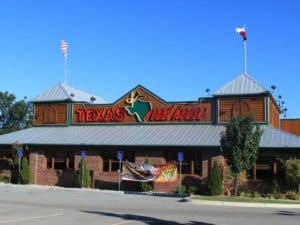
Texas is renowned for its professional sports teams, the Alamo, the Houston Space Center, Big Bend National Park, diverse landscapes, and its status as home to numerous universities, making it a vibrant and historically rich state.
Did you know Texas is the second-largest state in the US, stretching over 268,000 square miles? Whether you’re eyeing a visit or considering a move, you’ll want the lowdown on what makes the Lone Star State unique.
From the vibrant culture of Austin to the bustling streets of Houston, Texas offers a rich blend of history, barbecue that’s hard to beat, and year-round sunshine. Ready to dive into the fascinating facts that make Texas a must-know destination? Let’s explore!

Facts About Texas
Texas is one of those states that’s a household name worldwide. Even people who’ve never been to the United States have heard of Texas.
Texas stands as one of America’s most distinctive and influential states, combining massive geographic scale with equally impressive economic, cultural, and historical significance.
From its unique history as an independent republic to its current status as a global economic powerhouse, Texas embodies the American spirit of independence, innovation, and ambition.
The state’s diverse geography spans multiple climate zones and ecosystems, while its population represents one of the most multicultural communities in the nation.
These fundamental facts about Texas demonstrate why it has earned its reputation as a place where “everything is bigger” and continues to shape American culture, politics, and economics profoundly.
| Category | Texas Fact | Significance | Additional Context |
|---|---|---|---|
| Statehood | 28th state, December 29, 1845 | Only state to join by treaty | Was independent republic for 9 years |
| Nickname | The Lone Star State | From single star on flag | Symbol of independence and unity |
| Capital | Austin | 4th largest city in Texas | “Keep Austin Weird” cultural hub |
| Largest City | Houston | 4th largest city in US | 2.3+ million residents |
| Population | 30.5+ million (2024) | 2nd most populous state | Growing by 1,000+ daily |
| Area | 268,596 square miles | 2nd largest state | Could fit 221 Rhode Islands |
| Official Language | No official language | English and Spanish predominant | 200+ languages spoken |
| State Motto | “Friendship” | From Caddo Indian word “tejas” | Meaning friends or allies |
| Time Zones | 2 (Central and Mountain) | Most in Central Time | El Paso observes Mountain Time |
| State Bird | Northern Mockingbird | Adopted 1927 | Known for mimicking other birds |
| State Flower | Bluebonnet | Lupinus texensis | Blooms March-April statewide |
| State Tree | Pecan | Carya illinoinensis | Official tree since 1919 |
| State Mammal | Nine-banded Armadillo | Official small mammal | Also state shell (armadillo shell) |
| Founded | 1836 as Republic | Independent nation first | Joined US voluntarily |
| Counties | 254 counties | Most of any state | Georgia 2nd with 159 |
| Bordered By | 4 US states, Mexico, Gulf | New Mexico, Oklahoma, Arkansas, Louisiana | 1,254-mile border with Mexico |
| Climate Zones | 10 distinct zones | Desert to subtropical | More variety than most countries |
| Highest Point | Guadalupe Peak – 8,751 ft | West Texas | Guadalupe Mountains National Park |
| Major Rivers | Rio Grande, Colorado, Brazos | 3,700 named streams | Rio Grande forms Mexico border |
| Coastline | 367 miles | Gulf of Mexico | 3,359 miles including bays |

12 Key Facts About Texas
Here are 12 fascinating facts about the Lone Star State, along with some interesting details.
1. Professional Sports Teams
If there’s one thing we know about Texans, it’s that they love sports. With 13 major league sports teams in the state and their beloved University of Texas Longhorns, Texans have no shortage of teams to root for.
There are three NBA teams in Texas: the Dallas Mavericks, San Antonio Spurs, and Houston Rockets. This makes Texas the only state, along with California, to have three or more NBA teams. Both the Rockets and the Spurs have won multiple NBA championships in their history.
As for football, the Texans have their own team, the Houston Texans, and the Dallas Cowboys. Texas also has two MLB teams, the Houston Astros and the Texas Rangers.
Texas also has an NHL team, the Dallas Stars.
Other professional sports teams in Texas include:
- Dallas Wings (WNBA)
- Houston Dynamo (MLS)
- FC Dallas (MLS)
The state of Texas is also a pioneer in the progression of racial equality in American sports.
In 1966, Texas Western University (now known as the University of Texas at El Paso) fielded an exclusively African American starting lineup in the NCAA basketball national championship game.
This decision by Coach Don Haskins shook the world of basketball and set the wheels in motion to end racial segregation in all sports. This inspiring story was adapted into a movie named Glory Road, starring Matthew McConaughey.
Texas boasts one of the most impressive collections of professional sports teams in America, with representation across all major leagues. The state’s passion for sports is evident in both the number of teams and their dedicated fan bases.
| League | Team | City | Founded | Stadium/Arena | Championships |
|---|---|---|---|---|---|
| NFL | Dallas Cowboys | Dallas | 1960 | AT&T Stadium | 5 Super Bowls |
| NFL | Houston Texans | Houston | 2002 | NRG Stadium | 6 Division Titles |
| NBA | San Antonio Spurs | San Antonio | 1976 | Frost Bank Center | 5 NBA Championships |
| NBA | Dallas Mavericks | Dallas | 1980 | American Airlines Center | 1 NBA Championship |
| NBA | Houston Rockets | Houston | 1971 | Toyota Center | 2 NBA Championships |
| MLB | Houston Astros | Houston | 1962 | Minute Maid Park | 2 World Series |
| MLB | Texas Rangers | Arlington | 1972 | Globe Life Field | 1 World Series |
| NHL | Dallas Stars | Dallas | 1993 | American Airlines Center | 1 Stanley Cup |
| MLS | FC Dallas | Frisco | 1996 | Toyota Stadium | 1 MLS Cup |

2. Home to The Alamo
It’s safe to say that a trip to Texas wouldn’t be complete without a visit to The Alamo.
This landmark is rich in historical significance, as it was where a small group of men managed to hold off a much larger Mexican Army platoon during the War of Independence. It’s widely considered one of the United States’ most important historical landmarks.
On your tour of the Alamo, you’ll have a tour guide telling you the place’s whole story. You’ll also have the opportunity to tour the interior of the building.
The Alamo stands as Texas’s most iconic historical site, representing the pivotal moment in the Texas Revolution that shaped the state’s identity and its quest for independence. This former mission-turned-fortress remains a symbol of courage and sacrifice.
| Historical Detail | Information | Significance |
|---|---|---|
| Location | Downtown San Antonio | Original Mission San Antonio de Valero |
| Battle Date | March 6, 1836 | 13-day siege during Texas Revolution |
| Defenders | 189-257 men | Including Davy Crockett, Jim Bowie |
| Famous Quote | “Remember the Alamo!” | Battle cry at San Jacinto |
| Annual Visitors | 2.5+ million | Most visited historic site in Texas |
| Current Status | UNESCO World Heritage Site | Preserved by Alamo Trust |
| Size | 4.2 acres | Located in heart of San Antonio |
| Cultural Impact | Symbol of Texas independence | Featured in movies, books, folklore |

3. Home to the Houston Space Center
If you’ve ever wondered where the phrase “Houston, we have a problem” came from, you now know the answer.
Established in 1961, the Houston Space Center acts as NASA’s hub for Mission Control. This is where the agency communicates with astronauts it has sent into space.
A trip to the Houston Space Center is fascinating. You’ll witness objects brought back from space on the Apollo mission. Additionally, you’ll get to put on full astronaut gear and snap some photos!
NASA’s Johnson Space Center in Houston serves as Mission Control for human spaceflight, representing America’s gateway to space exploration. The facility has been central to every significant space achievement since the 1960s.
| Space Center Feature | Details | Significance |
|---|---|---|
| Official Name | Lyndon B. Johnson Space Center | Named after Texas-born president |
| Established | 1961 | Selected by President Kennedy |
| Mission Control | Controls International Space Station | “Houston, we have a problem” origin |
| Size | 1,620 acres | 100+ buildings |
| Employees | 10,000+ NASA and contractor staff | Largest concentration of space professionals |
| Historic Missions | Apollo Moon landings, Space Shuttle | Controlled all human spaceflight |
| Visitor Center | Space Center Houston | 750,000+ annual visitors |
| Training Facility | Astronaut training headquarters | Where all astronauts train |
| Future Missions | Artemis Moon program | Return humans to Moon by 2026 |

4. Home to One of America’s Biggest National Parks
Do you know how they say that everything is bigger in Texas? That applies to national parks as well.
Big Bend National Park is one of the largest in the country, spanning over 800,000 acres. It’s ranked as the 14th largest national park in the country and is bigger than the state of Rhode Island.
If you’re a lover of the great outdoors, visiting Big Bend National Park is an absolute must.
With numerous hiking trails and scenic driving routes, this destination is ideal for nature enthusiasts. Furthermore, stargazing at Big Bend National Park is an absolute sight to behold.
Not only will you get to hike some excellent trails, but you’ll also get a chance to take a refreshing dip in the park’s hot springs.
You can also learn about the animals that inhabited the area millions of years ago at the park’s Fossil Discovery Exhibit.
| Park Feature | Measurement/Detail | Notable Characteristics |
|---|---|---|
| Total Size | 801,163 acres | Larger than Rhode Island |
| Establishment | June 12, 1944 | 47th national park created |
| Annual Visitors | 500,000+ | One of least crowded major parks |
| Elevation Range | 1,800 – 7,832 feet | Santa Elena Canyon to Emory Peak |
| River Frontage | 118 miles of Rio Grande | US-Mexico border |
| Plant Species | 1,200+ documented | More than any other national park |
| Wildlife Species | 450+ including 150 birds | Desert and mountain ecosystems |
| Dark Sky Status | International Dark Sky Park | Minimal light pollution |
| Climate Zones | Desert, mountain, riparian | Three distinct ecosystems |

5. The Lone Star State Isn’t All Desert
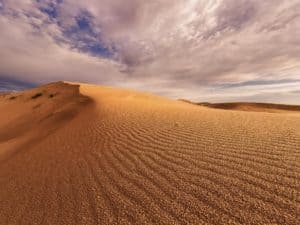
When people think of Texas, most envision a desert state straight out of an old western film.
However, this couldn’t be further from the truth. Although there are regions in Texas with a desert landscape, it’s essential to consider the state’s vast size. Texas is the second-largest state in America, meaning it has a highly diverse landscape.
Texas has valleys, canyons, islands, and beautiful, vast, green plains. The state also boasts numerous beaches and both natural and artificial lakes.
Texas is typically classified into seven regions:
- Big Bend Country
- Martin Dies, Jr. State Park
- South Texas Plains
- Hill Country
- Panhandle Plains
- Gulf Coast
- Piney Woods
- Prairies & Lakes
Each of these regions has a different type of landscape, making Texas America’s most diverse state in that regard.
Texas encompasses four major ecological regions, creating diverse landscapes from pine forests to coastal plains, demonstrating that the state offers far more environmental variety than its desert stereotype suggests.
| Ecological Region | Area Coverage | Climate Type | Key Features |
|---|---|---|---|
| East Texas Piney Woods | 43,500 sq miles | Humid subtropical | Dense pine forests, 200+ lakes |
| Gulf Coast Plains | 55,000 sq miles | Humid subtropical | Coastal marshes, barrier islands |
| Hill Country | 17,000 sq miles | Modified continental | Rolling hills, spring-fed rivers |
| High Plains | 41,000 sq miles | Semi-arid continental | Grasslands, agriculture |
| Trans-Pecos (Desert) | 31,000 sq miles | Arid desert | Mountains, true desert landscape |
| South Texas Plains | 21,000 sq miles | Semi-arid subtropical | Brush country, Rio Grande Valley |
| Annual Rainfall | 8-56 inches | Varies dramatically by region | East Texas wettest, West Texas driest |
| Forest Coverage | 38% of state | 12 million acres | 7th most forested state |

6. Home to One of America’s Top Zoos
The Dallas Zoo is an excellent destination for the whole family. It’s one of the top 10 zoos in the nation.
The zoo is packed to the brim with fascinating animals and exciting exhibits. It also allows you to get up close and personal with some animals, such as feeding the giraffes.
Another can’t-miss activity at the Dallas Zoo is the Monorail Safari. This tour takes you on a ride with a bird’s eye view of various African habitats and the animals they’re home to.
As you proceed along the tour, the guide provides you with interesting facts about the animals around you. Also, if you’ve never seen a koala in real life, visiting the Dallas Zoo is the perfect chance to change that!
The Houston Zoo ranks among America’s finest zoological institutions, leading in conservation efforts, education programs, and innovative animal care while attracting millions of visitors annually.
| Zoo Achievement | Statistic/Detail | National Ranking |
|---|---|---|
| Annual Visitors | 2.55+ million | 2nd most visited zoo in America |
| Total Animals | 6,000+ animals | Representing 900+ species |
| Size | 55 acres | Compact but efficiently designed |
| Conservation Programs | 49+ field projects | Supporting wildlife in 40+ countries |
| Breeding Programs | 80+ endangered species | AZA Species Survival Plans |
| Educational Impact | 750,000+ students annually | Largest zoo education program in US |
| Economic Impact | $200+ million annually | Major Houston attraction |
| Founded | 1922 | Over 100 years of operation |
| Notable Exhibits | African Forest, Galápagos Islands | Award-winning habitat design |
7. Texas Is Ranked 3rd in the Most Universities in America
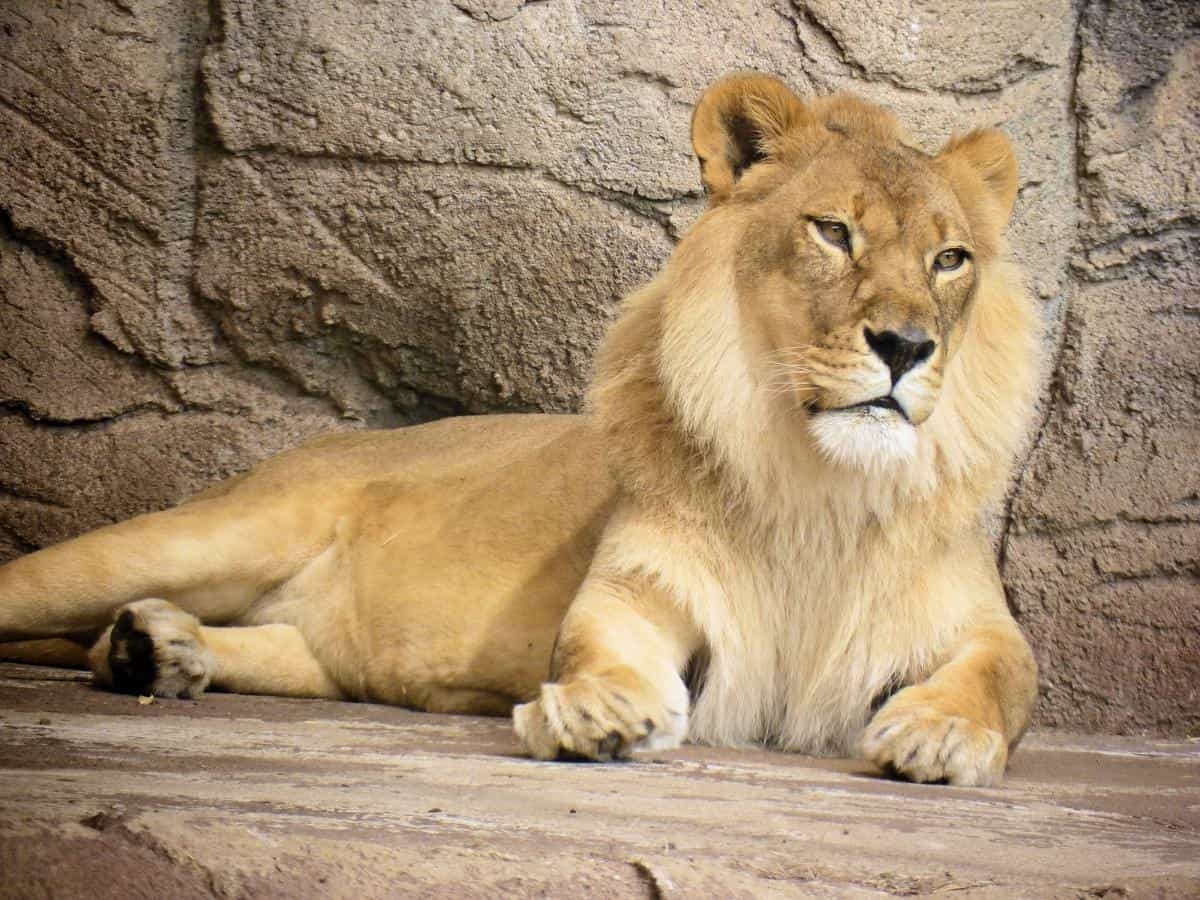
When it comes to higher education, Texas is one of the premier states in the country. It boasts the third-highest number of higher education institutions of any state in America, trailing only California and New York.
The Lone Star State has 218 institutions of higher education. One hundred thirty-five of these are four-year universities, and the rest are two-year institutions, such as community and junior colleges.
Additionally, completing your higher education in Texas is relatively cheap. With an average in-state annual tuition fee of $11,500, Texas is among the top 20 most affordable states regarding the cost of higher education.
However, you should note that attending college in Texas won’t be nearly as affordable if you’re not a state resident. Tuition for out-of-state students is almost triple the amount paid by residents on average.
Here’s a list of some of the major universities in Texas:
- The University of Texas at Austin
- The University of Texas at Dallas
- Texas A&M University
- Rice University
- Texas State University
- Texas Tech University
- Baylor University
- Southwestern University
- Texas Christian University
- University of St. Thomas
| Education Category | Texas Statistics | National Ranking |
|---|---|---|
| Total Universities | 150+ higher education institutions | 3rd most in America |
| Major University Systems | UT System, Texas A&M System, Texas State | Largest public university systems |
| Student Enrollment | 1.7+ million students | 2nd highest enrollment nationally |
| Community Colleges | 50 community college districts | Extensive statewide coverage |
| Private Universities | Rice, Baylor, TCU, SMU | Nationally ranked institutions |
| Research Funding | $3+ billion annually | Top 5 nationally |
| Largest University | Texas A&M University | 70,000+ students |
| Medical Schools | 13 medical schools | 2nd most in nation |
| Engineering Programs | UT Austin, Texas A&M, Rice | Top-ranked engineering schools |

8. Texas is the 4th Hottest State in America
Contrary to popular belief, Texas is not the hottest state in America. In reality, Texas is the 4th hottest state in America, following Florida, Hawaii, and Louisiana.
Even though it’s not the nation’s hottest, the Lone Star State is still notorious for its blazing temperatures. The average highs and lows in June are 91°F and 71°F, respectively. On the other hand, you can expect highs of 54°F and lows of 34°F during a typical Texas January.
Therefore, it came as a shock to everyone when the state of Texas experienced its coldest weather ever in February 2021.
The Arctic freeze that swept across the state during that time had significant consequences. Texas’ infrastructure cannot handle such cold weather.
This led to a statewide power outage that affected over 4 million households and businesses.
| Temperature Record | Measurement | Location/Context |
|---|---|---|
| Hottest Temperature Ever | 120°F | Seymour (August 12, 1936) |
| Average July High | 96°F | Statewide average |
| Days Over 100°F | 60+ days annually | Central and West Texas |
| Hottest City | McAllen | Average high 96.7°F |
| Heat Index Records | 125°F+ | Combination of heat and humidity |
| Cooling Degree Days | 3,000+ annually | Among highest in nation |
| Summer Duration | May through September | 5+ months of intense heat |
| Energy Consumption | Highest A/C usage in US | Summer electricity demands |
| National Ranking | 4th hottest state | Behind Florida, Hawaii, Louisiana |

9. Texas has the 9th 9th-largest economy in the World
The state of Texas is huge. It’s larger than almost all European countries.
As far as the Lone Star State’s economy is concerned, it’s proportional to its size. With a GDP of $1.83 trillion, Texas would have the ninth-largest economy in the world if it were a sovereign country.
To put that number into perspective. This would put Texas ahead of countries such as South Korea, Canada, and Brazil. However, Texas isn’t the largest economy in the United States. California holds that title with a GDP of $3.4 trillion.
So, why is Texas’ economy as big as it is? Well, the answer revolves around the three most prominent industries in the state. Those industries are agriculture, oil and natural gas, defense, and biomedical research.
With its vast expanses of agricultural land, the state of Texas is one of the world’s leading exporters of cattle and crops, such as cotton.
Additionally, Texas has a vast reserve of oil and natural gas. The state is responsible for one out of every three barrels of oil produced in the United States.
Furthermore, some of the world’s biggest defense companies, such as Boeing, Lockheed Martin, and Bell, call Texas home. In turn, the activities of these giant corporations contribute significantly to the state’s GDP.
Texas’s economic output rivals that of entire nations, with a gross state product that would rank among the top 10 global economies if Texas were an independent country.
| Economic Indicator | Texas Value | Global Comparison |
|---|---|---|
| Gross State Product | $2.4+ trillion | 9th largest globally |
| Compared to Countries | Larger than Canada, Russia, Brazil | Would rank between Italy and Brazil |
| Fortune 500 Companies | 54 headquarters | 2nd most in America |
| Major Industries | Energy, technology, aerospace, agriculture | Diversified economy |
| Energy Production | 40% of US oil, 25% of US wind power | Leading energy state |
| Agricultural Output | $25+ billion annually | Top 3 nationally |
| International Trade | $375+ billion in exports | #1 exporting state |
| Employment | 14+ million jobs | 2nd largest workforce |
| Economic Growth | 3.2% annually | Above national average |
10. Texas is the 2nd Largest State in America
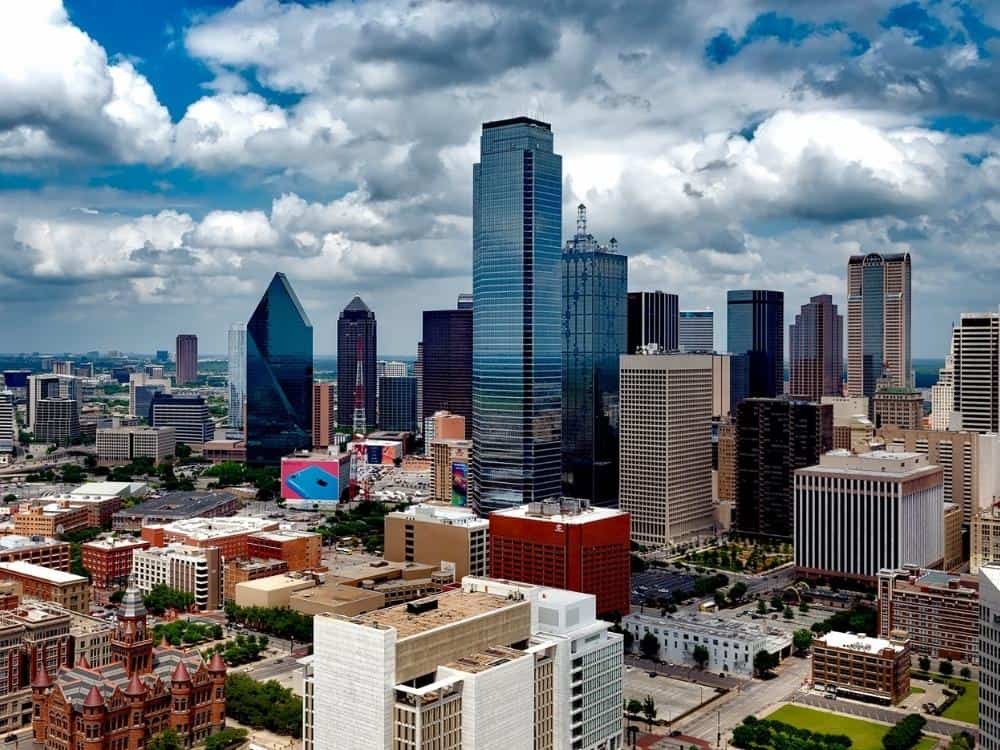
When it comes to sheer size, no state surpasses Texas, except for Alaska. However, Alaska isn’t nearly as densely populated as Texas.
With a population of nearly 30 million people, Texas is the second most populous state in the United States. Only California has more people living within its borders
| Size Measurement | Texas Statistic | Comparison |
|---|---|---|
| Total Area | 268,596 square miles | 2nd only to Alaska (663,300 sq mi) |
| Land Area | 261,232 square miles | Could fit 15 states the size of Maryland |
| Width (East-West) | 801 miles | New York to Chicago distance |
| Length (North-South) | 773 miles | Chicago to Atlanta distance |
| Driving Time Across | 12+ hours | El Paso to Houston |
| Countries It Could Contain | France, Germany, UK combined | Larger than any European country |
| US States It Could Contain | 15 New Hampshires | Or 220 Rhode Islands |
| Percentage of US | 7.4% of total US land | Massive portion of country |
| Border Length | 3,816 miles total | Including 1,254 miles with Mexico |

11. Largest & Longest Running State Fair in America
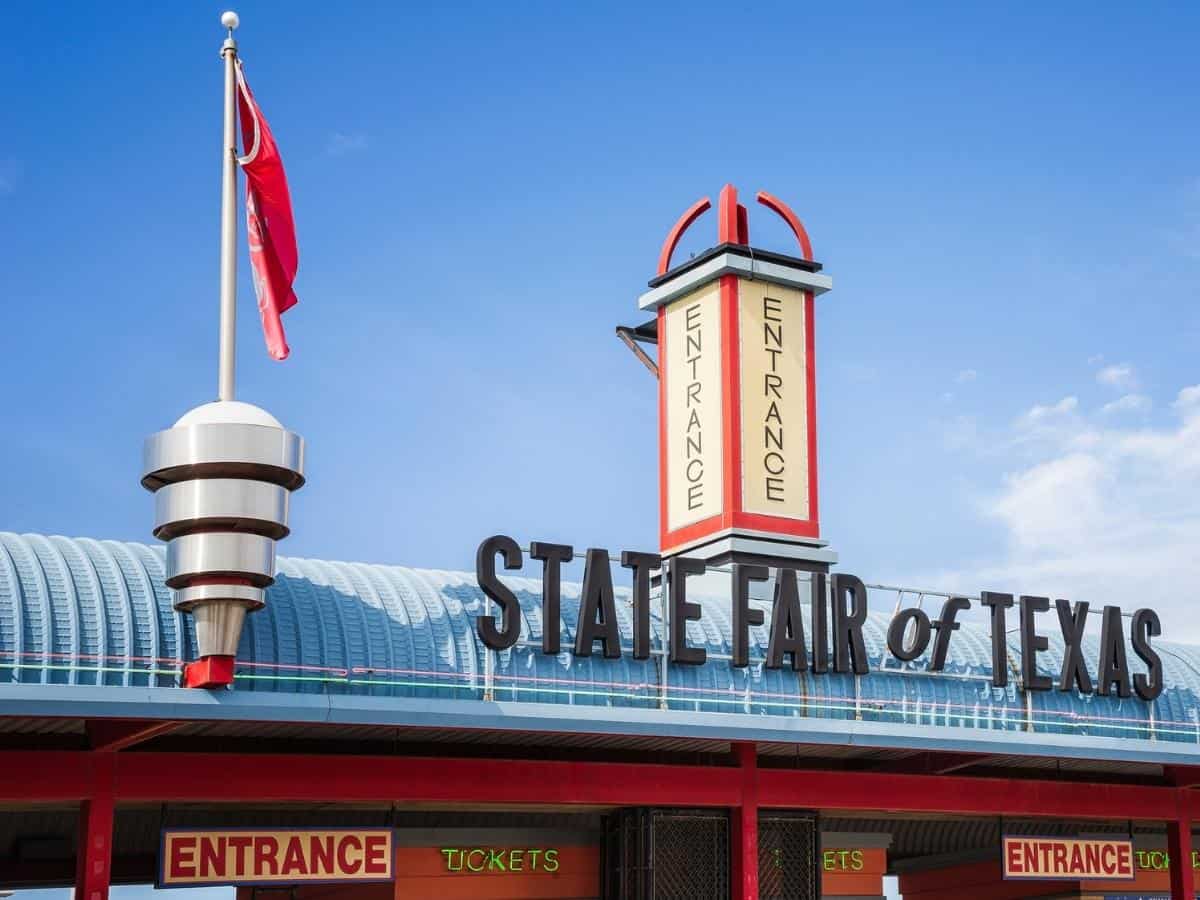
Lasting a whopping 24 days, the Texas State Fair is the longest-running state fair in the country. It’s also the largest in terms of attendance and area.
If you ever find yourself in Texas towards the end of September, you should experience the Texas State Fair. Held in Dallas, this fair is probably unlike any fair you’ve encountered before.
Fully equipped with a giant talking statue named Big Tex and an opening day parade with all things Texas, the Texas State Fair is sure to have you snapping photos left and right.
You can also catch a live concert at the fair while enjoying its delicious food. Other shows are constantly going on that aren’t music-related, so make sure to explore the whole fair.
| Fair Achievement | Record/Detail | National Standing |
|---|---|---|
| Annual Attendance | 2.5+ million visitors | Largest attended state fair |
| Duration | 24 days (late September-October) | Longest running major fair |
| Established | 1886 | 138+ years of operation |
| Size | 277 acres | Fair Park, Dallas |
| Economic Impact | $350+ million annually | Largest economic impact |
| Big Tex Height | 55 feet tall | Iconic cowboy mascot |
| Food Vendors | 200+ food concessions | Famous for fried foods |
| Fried Food Innovation | 70+ fried food varieties | Fried butter, fried Oreos originated here |
| Rides & Attractions | 100+ rides and games | Largest midway in America |
12. Texas is Home to One of the World’s Top Museums
The Houston Museum of Natural Science is yet another must-visit attraction Texas offers. It’s one of the premier museums worldwide, ranked 49th, to be exact.
Over 2 million people visit the Houston Museum of Natural Science every year, for a good reason. This place is a treasure trove of artifacts and exhibits ranging from Dinosaur fossils to an entire hall dedicated to showcasing artifacts from Ancient Egypt.
Other exhibits in this museum include a planetarium that allows you to marvel at the vastness of the solar system, as well as a butterfly center featuring over 100 intriguing butterfly species from around the world.
| Museum Feature | Achievement/Detail | Global Recognition |
|---|---|---|
| Collection Size | 70,000+ works of art | 6th largest museum collection in US |
| Building Area | 300,000 square feet | Two main buildings plus sculpture garden |
| Annual Visitors | 1.25+ million | Most visited museum in Texas |
| Established | 1900 | One of America’s oldest art museums |
| Notable Collections | Impressionist, Contemporary, Ancient | World-class in multiple categories |
| Sculpture Garden | Lillie and Hugh Roy Cullen Sculpture Garden | 14-acre outdoor gallery |
| Research Library | 150,000+ volumes | Hirsch Library for art research |
| Educational Programs | 300,000+ students annually | Largest museum school in Southwest |
| International Ranking | Top 20 art museums worldwide | Recognized by art critics globally |

Sources:
- Texas is the fourth hottest state in the USA – worldpopulationreview.com
- Texas is the 17th most affordable state for college – collegecalc.org
- Texas has the third most colleges in America – statista.com

Christian Linden is a seasoned writer and contributor at Texas View, local Texas resident, travel enthusiast.and author of the Home Energy Playbook. He specializes in topics that resonate with the Texan community. With over a decade of experience in journalism, Christian brings a wealth of knowledge in local politics, culture, and lifestyle. When he's not writing, Christian enjoys spending weekends traveling across Texas with his family, exploring everything from bustling cities to serene landscapes.