In Texas, front side windows must allow at least 25% visible light to pass through, while rear side and back windows can have any tint level. Windshield tint is only permitted above the AS-1 line or the top five inches.
Getting your car windows tinted in Texas could lead to a failed inspection if you don’t know the rules. With the state requiring at least 25% light transmission for front-side windows, it’s crucial to stay informed before making any decisions at the tint shop.
Whether you’re looking to beat the heat or add some style to your ride, understanding Texas window tint laws is key to avoiding fines and frustration. Let’s break down what you need to know about windshield and rear window tinting limits and how they apply to your vehicle.
Texas Window Tint Laws Overview
Texas sets obvious rules for vehicle window tint. The primary goal is to keep roads safer while still allowing drivers to customize their cars to some extent.
These rules, which you’ll find in the Texas Administrative Code, cover where tint is allowed and how much light has to pass through the glass.
Legal Tint Limits by Vehicle Type and Window Position
Texas law establishes specific VLT percentages for different types of vehicles and window positions. These limits are strictly enforced during annual vehicle inspections and traffic stops.
| Vehicle Type | Front Side Windows | Rear Side Windows | Rear Window | Windshield | Reflectivity Limit |
|---|---|---|---|---|---|
| Passenger Cars | 25% VLT minimum | Any darkness allowed | Any darkness allowed | 5 inches from top only | 25% maximum |
| SUVs/Trucks | 25% VLT minimum | Any darkness allowed | Any darkness allowed | 5 inches from top only | 25% maximum |
| Multi-Purpose Vehicles | 25% VLT minimum | Any darkness allowed | Any darkness allowed | 5 inches from top only | 25% maximum |
| Motorcycles | Not applicable | Not applicable | Not applicable | Not applicable | Not applicable |
| Commercial Vehicles | 25% VLT minimum | Varies by use | Varies by use | 5 inches from top only | 25% maximum |
| Emergency Vehicles | Department regulations | Department regulations | Department regulations | Department regulations | Exempt |
Legal Authority: Texas Administrative Code, Title 37, Part 1, Rule 21.3
Purpose of Tint Laws
Texas window tint laws primarily exist for safety reasons. Dark tint can make it difficult for other drivers, cyclists, and pedestrians to see a driver at intersections.
Police officers rely on clear windows for safety during traffic stops. Too-dark tint can also make it tough to see at night, which is not ideal for anyone.
The law aims to strike a balance between privacy, UV protection, and temperature control, while prioritizing the safety of all other road users. That’s why there are standards.
Key Legal Terms Defined
One of the most essential terms in Texas window tint laws is Visible Light Transmission (VLT). VLT refers to the percentage of visible light that can pass through the window and the tint together.
For example, a VLT of 25% means that only one-quarter of visible light passes through. The Texas Administrative Code states that the front side windows (on the right and left sides of the driver) must allow at least 25% of visible light to pass through.
Windshield tint is only allowed above the AS-1 line or the top five inches, and it can’t be red, amber, or blue. Another term you’ll see is luminous reflectance—that’s the percentage of light the tint and glass reflect.
In Texas, this cannot exceed 25% for regulated windows. These laws apply to every vehicle, regardless of its age, and inspectors inspect them annually.
I make sure my tint meets these standards so I don’t fail a state inspection or get fined at a traffic stop. If I require additional tint for medical reasons, I must carry a signed statement from my doctor.
Window Tint Violations and Penalties
Texas takes window tint violations seriously, with penalties that can include fines, failed vehicle inspections, and requirements to remove illegal tint.
| Violation Type | Penalty/Fine | Additional Consequences | Court Appearance | Repeat Offense |
|---|---|---|---|---|
| Front Windows Under 25% VLT | $25-$99 fine | Failed inspection | May be required | Increased fines |
| Excessive Reflectivity | $25-$99 fine | Failed inspection | May be required | Enhanced penalties |
| Windshield Tint Violation | $25-$99 fine | Safety concern citation | Possible | License points possible |
| Failed State Inspection | Cannot register vehicle | Must remove tint | No | Cannot renew registration |
| Commercial Vehicle Violation | $200-$500 fine | DOT violations possible | Usually required | Operating authority risk |
| Obstruction of Vision | Up to $200 fine | Possible reckless driving charge | Yes | License suspension risk |
| Multiple Violations | Cumulative fines | Vehicle impoundment possible | Required | Habitual offender status |
Legal Tint Limits for Car Windows
Texas car window tint rules depend on which window you’re tinting. I always check the standards for each window so my car stays legal and I don’t get stuck with a penalty.
Windshield and Visor Strip Regulations
For the windshield, Texas has detailed rules to protect your line of sight. The law lets you add a tinted band (the “AS-1 line” strip) across the very top.
That strip can’t go more than five inches down from the top of the windshield. Only clear (untinted) film is allowed below this strip.
The strip itself can be tinted, but it can’t be more reflective than a standard window and can’t block more than 75% of visible light. So its VLT must be at least 25%.
Essentially, the windshield tint can’t be darker than 25% VLT, and the rest of the windshield must remain clear. You can find more info in the Texas window tinting laws.
Front Side Window Requirements
The law for front side windows is strict. The windows to the right and left of the driver must allow at least 25% of visible light to pass through.
If the VLT is less than 25%, it will not pass inspection, regardless of the car’s age. The film can’t be shiny or metallic, either.
If your tint looks mirrored, it’s not allowed. Maintaining a high enough light transmittance value helps law enforcement see in the dark and makes night driving safer.
If I add aftermarket tint, I check the measurements or ask my installer for a certificate to confirm the VLT is compliant with the law. The Texas Department of Public Safety has all the details.
Back Side and Rear Window Rules
For the backside windows and the rear window, things are a lot more relaxed. You can use any level of tint or VLT,, ven sa uper dark tint is delicate.
There’s no minimum light transmittance for these windows. If you tint the rear window, however, Texas law requires that you have working side mirrors on both sides.
That’s because a dark tint can block your view through the back glass, and mirrors help you see behind you. Reflective or metallic film is still illegal, even on the rear and back side windows.
If you stick to the basic guidelines for car window tint on these windows, you shouldn’t have any issues. For more details, refer to the Texas legal tint rules.
Reflectivity and Color Restrictions
When I get a car window tint in Texas, I need to know more than just how dark it is. The rules set limits on the reflectivity of the tint and specify which colors are permitted.
Maximum Allowable Reflectiveness
Texas law imposes a strict limit on the reflectivity of your tint. The reflectivity limit is 25% for both front and rear side windows.
That means the tint can reflect no more than a quarter of the visible light that hits it. Reflective tints can make windows look mirrored.
While they might help reduce glare and heat, too much reflectivity can compromise visibility for everyone. Keeping reflectivity low helps avoid distractions and keeps things safer.
I always check the tint film’s reflectivity rating before I make a purchase. Most shops in Texas label their films with the reflective percentage, making it relatively easy to stay compliant.
If I exceed the 25% limit, I could be fined and have to remove the tint. It’s just not worth it, honestly.
Banned Tint Colors
Texas law is clear about which tint colors are off-limits. Red, blue, and amber tints are strictly banned, especially on windshields and front side windows.
Those colors can resemble emergency lights and mecompromiseisibility. Most shops offer tints in shades like gray, charcoal, or light smoke, as these are legal.
Even if a film claims to block UV or is a specialty tint, it still can’t be a banned color. The Texas window tint regulations recommend neutral colors, such as gray, as the safest option.
When I pick a tint, I double-check color restrictions with the installer. That way, I don’t risk tickets or the hassle of removing illegal tint down the line.
Asking for documentation or a compliance sticker is just bright.
VLT Percentage Explanation and Examples
Understanding what VLT percentages mean in practical terms helps vehicle owners choose appropriate tint levels while staying within legal limits.
| VLT Percentage | Light Transmission | Darkness Level | Legal in Texas | Visibility Level | Common Use |
|---|---|---|---|---|---|
| 70% VLT | 70% light passes through | Very light tint | Legal everywhere | Excellent visibility | Light UV protection |
| 50% VLT | 50% light passes through | Medium tint | Legal everywhere | Good visibility | Moderate privacy |
| 35% VLT | 35% light passes through | Medium-dark tint | Legal everywhere | Adequate visibility | Popular choice |
| 25% VLT | 25% light passes through | Dark tint | Legal minimum front windows | Limited visibility | Maximum legal darkness |
| 20% VLT | 20% light passes through | Very dark | Illegal front windows | Poor visibility | Rear windows only |
| 15% VLT | 15% light passes through | Very dark | Illegal front windows | Very poor visibility | Rear windows only |
| 5% VLT | 5% light passes through | Extremely dark “limo tint” | Illegal front windows | Nearly opaque | Rear windows only |
Medical Exemptions for Window Tint
Texas allows some drivers to have darker window tint than the standard legal limit if they have specific medical needs. The Texas Department of Public Safety establishes these rules to assist individuals with severe health conditions who require additional sun protection.
Eligibility Criteria
To qualify for a medical exemption, you need a diagnosed medical condition that requires extra protection from UV rays. Common conditions include lupus, albinism, photosensitivity, and skin cancers like melanoma.
You’ll need documentation from a licensed physician or optometrist. This must be a signed statement or prescription that describes your specific condition and explains why you require additional window tint.
The physician must be licensed in the state of Texas. The exemption doesn’t apply just because you’re sensitive to light.
Only well-documented cases with absolute medical necessity will be considered by the Texas Department of Public Safety. The exemption may have limits, particularly regarding which windows can be tinted and the level of darkness allowed.
Medical Exemptions for Window Tint
Texas allows medical exemptions for darker window tint for individuals with certain medical conditions that require protection from sunlight.
| Medical Condition Category | Exemption Available | Required Documentation | Approval Process | Exemption Scope |
|---|---|---|---|---|
| Lupus | Yes | Physician certification | DPS medical review | All windows except windshield |
| Skin Cancer/Pre-Cancer | Yes | Dermatologist statement | Medical board review | Front and rear windows |
| Photosensitivity Disorders | Yes | Specialist documentation | Case-by-case review | Varies by severity |
| Albinism | Yes | Medical diagnosis | Usually approved | Comprehensive exemption |
| Eye Conditions | Varies | Ophthalmologist report | Medical evaluation | Usually limited |
| Medication-Induced Sensitivity | Possible | Doctor’s prescription note | Temporary possible | Limited duration |
| Other Conditions | Case-by-case | Comprehensive medical records | Extensive review | Determined individually |
Application Process:
- Contact Texas DPS Medical Advisory Board: (512) 424-2600
- Submit medical documentation
- Pay application fee ($25-50)
- Wait for review (30-60 days)
- Receive an exemption certificate if approved
How to Apply for an Exemption
To apply, you’ll need a written statement or prescription from your Texas-licensed physician or optometrist. The statement must include your name, the medical condition, and why tinting is required.
It should also show the provider’s licensing details. After that, you submit the documentation to the Texas Department of Public Safety.
DPS reviews your request and decides if you qualify for an exemption. If you’re approved, you need to keep a copy of the exemption paperwork in your vehicle at all times.
If you get stopped by law enforcement, you’ll have to show the exemption if asked. The exemption only covers you, not other people who drive your car.
The DPS can review or revoke the exemption if your condition changes or if you’re missing the correct documentation.
Window Tint Law Enforcement and Penalties
Texas has strict laws regarding the darkness and reflectiveness of car window tint. If you don’t follow these guidelines, you could be fined and have to remove your tint.
Inspection and Compliance Process
Every year, my vehicle has to pass a state inspection. They check if my window tint meets the legal standards.
The Texas Department of Public Safety requires that the front side windows allow at least 25% of light to pass through, and that windshield tint is only permitted above the AS-1 line or within five inches of the top if there’s no line.
During inspection, testers use special meters to measure the amount of light that passes through my windows. If my tint is too dark on the front side windows or the windshield, my car will fail inspection.
I’d have to remove or replace the tint before I can legally drive again. Inspectors also verify that the tint label is in the correct location.
It is located at the bottom corner of the driver’s side window and must state that the installation meets Texas law. If I have a medical exemption, I need to keep the signed statement in my car and show it at inspection or if I get stopped by the police.
You can find more about the inspection process at the Texas Department of Public Safety’s window tinting standards.
Fines and Consequences for Violations
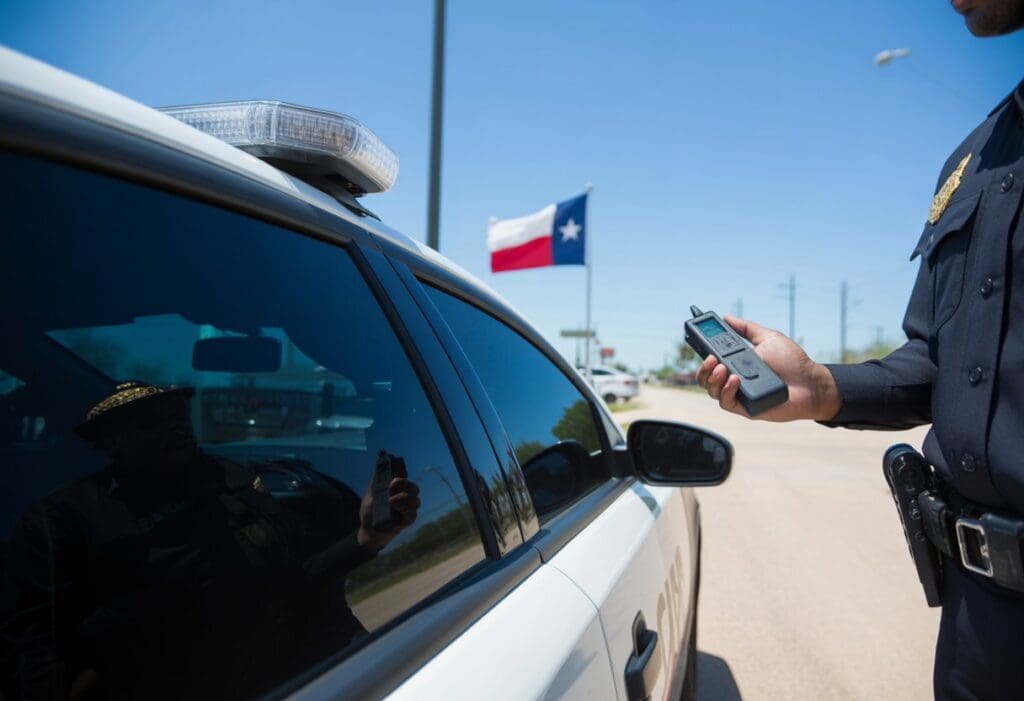
If I drive with illegal tint, police officers in Texas can pull me over solely for that reason. They don’t need any other reason to stop me.
If the tint isn’t within the legal limit, I might get a citation right there on the spot. Officers usually pull out a hand-held meter during the traffic stop to check if my tint is too dark.
A first offense can lead to a fine, and I’ll have to remove the illegal tint. If I ignore that and get stopped again, the penalties go up.
In some places, Imayt may also incur court costs. Penalties vary by county, but everyone has to remove the tint if it’s illegal.
If I claim a medical exemption, I must provide proof; otherwise, I may still be fined. For more details, I can check out Texas tint law enforcement details.
Common Tint Law Misconceptions and Facts
Many myths exist about Texas tint laws that can lead vehicle owners to make costly mistakes. Understanding the facts helps avoid violations.
| Common Misconception | Actual Texas Law | Why Confusion Exists | Correct Information | Consequences of Believing Myth |
|---|---|---|---|---|
| “Factory tint is always legal” | Factory tint can be too dark | Assumption about manufacturer compliance | Must still meet 25% VLT minimum | Failed inspection, citations |
| “Ceramic tint has different rules” | Same VLT requirements apply | Marketing claims | Tint material doesn’t change legal limits | Expensive illegal installation |
| “Can go darker in winter” | No seasonal exemptions | Other states may vary | Year-round compliance required | Seasonal violations |
| “Medical note allows any darkness” | Specific exemption process required | Informal medical advice | Must get official DPS exemption | Illegal tint citations |
| “Tint tickets are just warnings” | Real fines and consequences | Misunderstanding severity | Can prevent registration renewal | Compounding legal problems |
| “Rear window rules don’t matter” | Still affect overall vehicle compliance | Focus on front windows only | All windows inspected | Failed inspection |
| “Out-of-state tint is exempt” | Texas law applies to all vehicles | Interstate travel confusion | Must comply when in Texas | Citations regardless of origin |
Special Vehicle Categories and Exceptions
Some vehicles are exempt from following the standard Texas window tint laws. The rules aim to accommodate the diverse needs and uses of cars that pass through the state.
Out-of-State Vehicles
If I drive a vehicle registered in another state, the tint laws from that state usually apply while I’m visiting Texas. The state doesn’t require out-of-state cars to change their tint if they’re here temporarily.
However, if I’m moving to Texas and want to register my vehicle, I need to ensure the tint complies with Texas law before the inspection. If I don’t, my truck could fail inspection, especially if the windows right beside the driver let in less than 25% of light.
There’s more detail in the Texas Administrative Code if I want to dig in.
Commercial and Law Enforcement Vehicles
Law enforcement vehicles don’t have to follow standard tint limits when they’re on official duty. That covers police cars, undercover rides, and other law enforcement units—they can use darker or non-compliant tints without any trouble.
Commercial vehicles carrying passengers for a fee—such as taxis, limousines, and buses—receive some exemptions from window tint requirements. If I’m transporting people for pay, I can use tints that private vehicle owners can’t, as long as I do it regularly.
Texas law spells this out clearly to strike a balance between security, privacy, and business needs. You can review the complete list of window tint exemptions and all the details in the Texas Department of Public Safety’s window tinting standards.

Christian Linden is a seasoned writer and contributor at Texas View, local Texas resident, travel enthusiast.and author of the Home Energy Playbook. He specializes in topics that resonate with the Texan community. With over a decade of experience in journalism, Christian brings a wealth of knowledge in local politics, culture, and lifestyle. When he's not writing, Christian enjoys spending weekends traveling across Texas with his family, exploring everything from bustling cities to serene landscapes.