An Affordable Electricity Plan for Small Families in Texas offers cost-effective options like fixed-rate contracts, prepaid plans, and no-deposit choices, designed to provide stability and savings for households while managing fluctuating energy costs.
Texas families can pay up to 30% more for electricity simply because they don’t know their options! With fluctuating rates and complicated plans, it’s no wonder many small households feel overwhelmed by their utility bills.
Finding a steady and affordable electricity plan is crucial for your budget, especially when you’re trying to keep costs in check. In this article, we’ll explore options that truly make sense for small families in Texas, including prepaid and no-deposit plans, along with fixed-rate contracts to help you save without the stress.
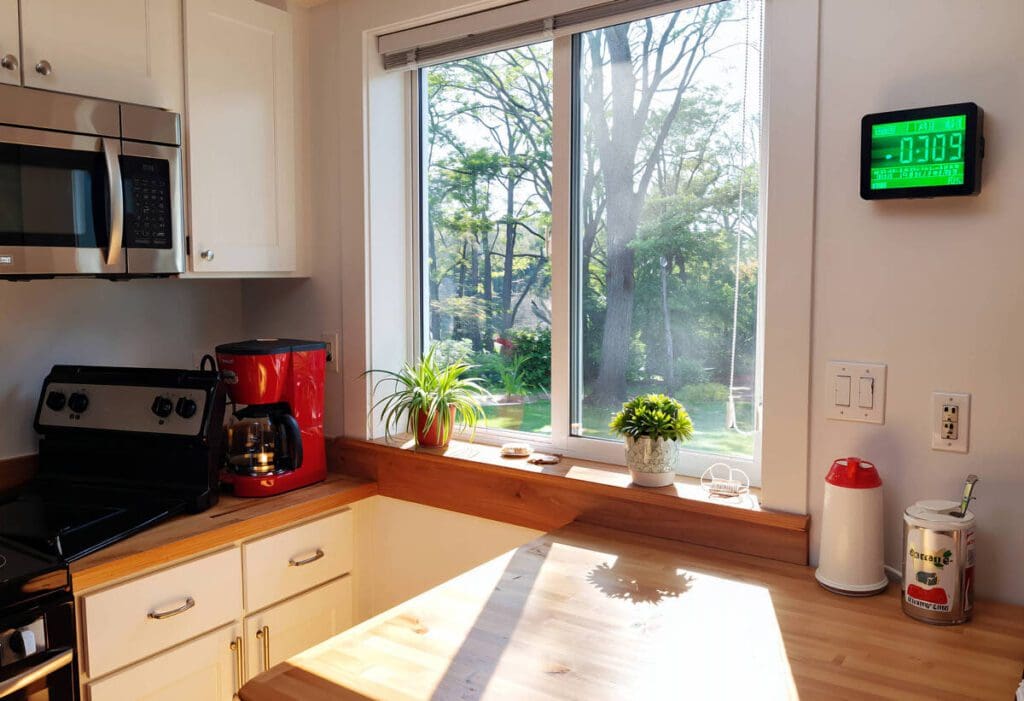
Top Affordable Electricity Plans for Small Families in Texas
Three main choices usually come up for affordable electricity in Texas: fixed-rate contracts for predictable pricing, prepaid options that skip deposits and credit checks, and comparing providers to spot the lowest rates for how much energy you use. Each route fits a different situation, so it’s worth weighing them before settling on one.
Best Value Fixed-Rate Plans
Fixed-rate plans offer stability in monthly bills. With these, the price per kilowatt-hour (kWh) stays the same for the length of the contract, often 12 to 24 months. That rate won’t budge, even if the market goes wild during a record-setting Texas summer.
Small families using around 1,000 kWh per month can usually find plans under 9 cents per kWh. Right now, Frontier Saver Plus 12 and Gexa Eco Saver Plus 12 show up at about $0.087–$0.088 per kWh. Plans like these make it easier to budget, since you know what’s coming on your next bill.
The Electricity Facts Label (EFL) spells out the exact rate at different usage levels, any early termination fees, and the renewable energy content. Checking that label helps avoid surprises and ensures the plan aligns with your family’s actual usage.
Comparison of Fixed-Rate Plans – Example
| Plan Name | Rate per kWh | Contract Length | Early Termination Fee | Renewable Energy |
|---|---|---|---|---|
| Frontier Saver Plus 12 | $0.087 | 12 months | Yes | Yes |
| Gexa Eco Saver Plus 12 | $0.088 | 12 months | Yes | Yes |
Prepaid and No Deposit Options
For folks who want flexibility or prefer to skip the deposit, prepaid electricity can be a solid choice. With prepaid plans, you pay in advance and keep an eye on your balance, sometimes daily or weekly. This makes it easier to track usage and sidestep those end-of-month shocks.
One typical prepaid plan in Texas is Payless Power’s 12-Month Prepaid plan, which costs around $0.175 per kWh. The rate’s higher than fixed contracts, but you get to avoid credit checks and hefty deposits. That’s handy for short-term leases or if your credit’s not where you want it.
Most prepaid providers send out text or email alerts when your balance dips low, so you can top up before the lights go out. This level of control helps small families keep their budget in check, especially when the AC’s running overtime.
How to Compare Providers and Rates
Start by plugging in your ZIP code on a comparison marketplace. Texas rates shift by location because utility delivery fees aren’t the same everywhere, so you’ll want offers tailored to your area. Once you’ve got the list, filter by contract length, rate type, and renewable energy if that matters to you.
Focus on the price per kWh at 1,000 kWh usage, which is close to what an average small family uses each month. Sometimes a plan appears to be inexpensive at 2,000 kWh but ultimately proves more costly at lower usage levels. The EFL helps confirm which plan fits your household size.
Contract terms matter, too. If a move might happen within a year, consider skipping the 24- or 36-month deals and opting for a 12-month or variable-rate plan to avoid early termination fees. Narrowing things down like this makes it easier to spot the most affordable match for your needs.

How to Choose the Right Plan for Your Family
Pay attention to what drives the total cost, how your household uses electricity, and whether you might qualify for financial help. Examining these details closely can help you avoid overpaying and ensure the plan aligns with your family’s lifestyle.
Factors Affecting Electricity Costs
Providers set up their pricing in a couple of ways. Some offer fixed rates that keep the price per kilowatt-hour steady, while others go with variable rates that shift with the market. Fixed rates mean predictable bills; variable rates might save money some months but could sting in others.
Watch for hidden fees. Plans sometimes tack on minimum usage charges if your household doesn’t hit a certain threshold, or early termination fees if you leave before the contract’s up. Details like these add up fast, so always read the Electricity Facts Label before signing.
Promos like “free nights” or “free weekends” sound tempting, but it’s worth checking if your family uses much power during those hours. If not, the higher daytime rates might cancel out any savings. Comparing the estimated monthly cost across different plans shows what’ll hit your wallet.
Understanding Usage and Home Size
Electricity needs depend on your home’s size and how many people live there. A small family in a typical Texas ranch or bungalow usually uses less energy than a bigger household. This matters because many Texas plans are priced based on usage tiers, think 500 kWh, 1,000 kWh, or 2,000 kWh per month.
Families using less than 1,000 kWh should avoid plans that penalize low usage. Instead, it makes sense to pick something designed for smaller homes. Reviewing past bills provides a reasonably accurate estimate of average monthly consumption.
Seasonal swings are huge in Texas. Summer air conditioning can double or even triple usage. When choosing a plan, ensure it remains affordable during the sweltering months, not just when the weather’s mild. That way, you won’t get blindsided by a sky-high bill when the heat settles in.
Eligibility for Assistance Programs
Families across Texas sometimes wonder if they qualify for programs that help lower electricity bills. The Low Income Home Energy Assistance Program (LIHEAP) steps in for households that meet specific requirements, offering support with energy costs. Some local utilities around the state provide their payment assistance or deferred payment plans, though the details depend on the provider.
Receiving benefits like SNAP or Medicaid can sometimes unlock automatic discounts, but it’s always worth calling the electric company and asking what’s available. Each provider seems to have its own set of rules and programs, so there’s no one-size-fits-all answer here.
Average billing programs have become pretty standard in Texas. These plans smooth out the spikes, letting folks pay about the same amount every month instead of getting walloped by a huge summer bill. Even when families don’t meet the strict criteria for state or federal help, this approach gives a bit more predictability to the monthly budget.
Compare Your Electricity Plans for Better Savings
As you navigate the options for affordable electricity in Texas, it’s wise to compare plans tailored to your needs. Using a resource like Compare Power can help you easily evaluate different providers and find the best rates for your household. Take a moment to explore your options, ensuring you select a plan that not only fits your budget but also aligns with your family’s energy usage. After all, a little research can lead to significant savings!

⚡ Check Texas Energy Rates
Enter your ZIP code to see lowest electricity rates in Texas



Christian Linden is a seasoned writer and contributor at Texas View, local Texas resident, travel enthusiast.and author of the Home Energy Playbook. He specializes in topics that resonate with the Texan community. With over a decade of experience in journalism, Christian brings a wealth of knowledge in local politics, culture, and lifestyle. When he's not writing, Christian enjoys spending weekends traveling across Texas with his family, exploring everything from bustling cities to serene landscapes.