In Texas, an electricity provider sells power to consumers, while a delivery company is responsible for transmitting that power through the electrical grid to homes and businesses. Understanding both roles helps consumers make informed decisions about their energy choices.
Did you know that Texans deal with two separate companies when it comes to their electricity? One company sells you the power, while the other delivers it right to your door. This system is a hallmark of Texas’s deregulated electricity market, and it can be unclear when you get your first bill.
Understanding the roles of your electricity provider and the company that delivers electricity is essential for making informed energy choices. Let’s break down how this unique setup works and what it means for you and your neighbors across the Lone Star State.
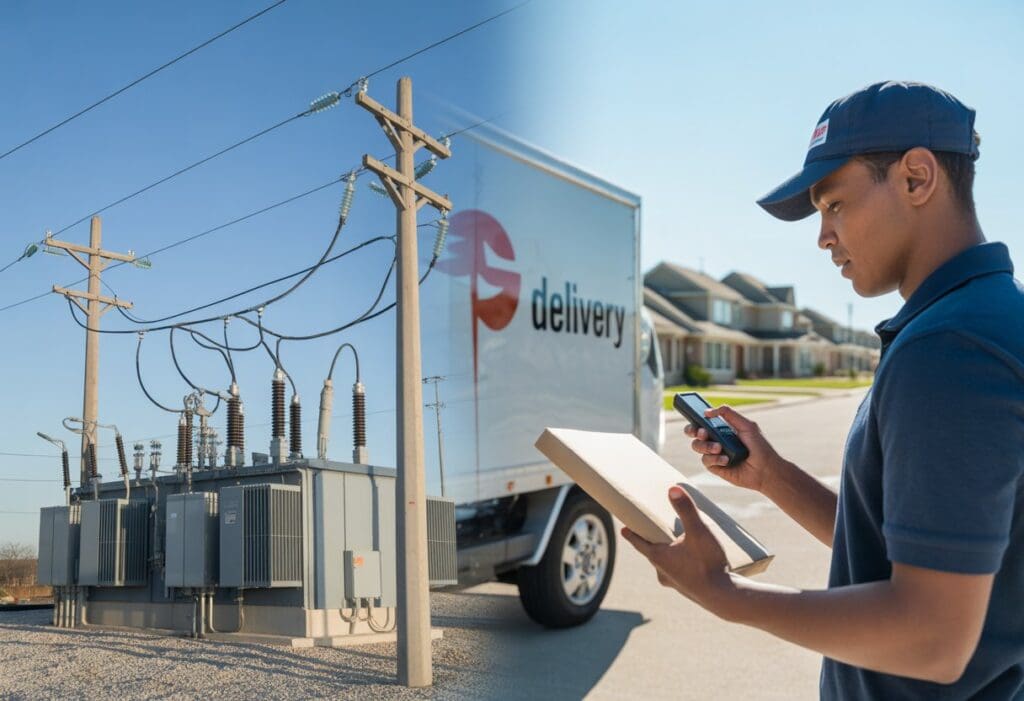
Electricity Provider vs Delivery Company: Core Differences in Texas
Texans have to deal with both an electricity provider and a delivery company when it comes to their electric service. Each plays a different role, shaping the services you get, who you call, and how your bill looks.
| Aspect | Electricity Provider | Delivery Company |
|---|---|---|
| Role | Sells electricity to consumers | Transmits electricity to homes |
| Responsibilities | Manages energy plans and rates | Maintains power lines and infrastructure |
| Billing | Bills for the electricity used | Charges for delivery services |
| Market | Operates in a deregulated market | Regulated by state utilities |
| Customer Interaction | Directly interacts with customers | Typically does not interact directly |
| Choice | Consumers can choose among providers | Delivery companies are usually assigned |
What Is an Electricity Provider in Texas
An electricity provider in Texas, often called a Retail Electricity Provider (REP), sells the actual power that keeps your lights on. Texans pick their provider from a competitive market, allowing them to compare plans, contract lengths, and rates.
Because of Texas’s market, dozens of REPs compete for your business. You can opt for a fixed-rate plan for steady pricing, or a variable-rate plan for some fluctuation. Retail providers handle the account setup, send out the bill for your usage, and take care of customer service.
When it’s time to renew, you’re free to shop around for better rates or new features, or maybe you want to go green with renewable energy. Providers don’t maintain tower lines or handle outages. Their job is to sell electricity plans and manage your account.
What Is a Delivery Company (Utility) in Texas
A delivery company, often called a utility or Transmission and Distribution Utility (TDU), takes care of the wires and gear that bring electricity to your door. You don’t get to choose your utility; it’s assigned based on where you live.
The utility maintains power lines, poles, substations, and all the equipment that keeps electricity flowing. Crews fix downed wires, respond to outages, and keep the grid safe in their service area.
Some of the big players in Texas are Oncor, CenterPoint Energy, AEP Texas, and Texas-New Mexico Power. The utility charges your Retail Electric Provider for delivery, and those charges show up on your monthly bill. Utilities don’t sell electricity or offer plans; they stick to delivery and grid maintenance.
How Electricity Providers and Utilities Work Together
Electricity providers and delivery companies work side by side to keep the power on. Your REP buys electricity on the wholesale market and sells it to you under a contract. The utility moves the electricity, using its lines and equipment.
When the lights go out, the utility handles it, not your provider. If you need to change your plan or have billing questions, you can reach out to your provider. Providers and utilities share information behind the scenes to ensure that billing, service requests, and outage alerts reach the right people.
| Task | Retail Electricity Provider | Utility (Delivery Company) |
|---|---|---|
| Sells electricity plans | ✔️ | |
| Maintains grid/infrastructure | ✔️ | |
| Handles outages | ✔️ | |
| Bills energy usage | ✔️ | |
| Bills delivery charges | ✔️ (on behalf of utility) |
Key Distinctions on Your Electric Bill
Texas electric bills are usually split into two parts: the energy charge and the delivery (TDU) charge. The energy charge comes from your REP at the rate you agreed on. That covers the actual electricity you use.
The delivery charge goes to your utility, paying for the cost of moving electricity from the grid to your home. Even if you switch providers, your utility and its charges don’t change since they’re at your address. Both fees show up on the same bill, sent by your provider.
If you look over your bill, you’ll see that you’ll like energy usage (in kilowatt-hours), the per-kWh rate, and a separate line for utility delivery charges. Knowing the difference helps you figure out who to call for rate questions or outage problems. Reading your bill closely can save you a headache and maybe even some money.

Provider vs Delivery
Major Texas Utilities and Service Areas
Across Texas, specific utility companies deliver electricity based on where you live. Each utility runs the wires, handles outages, and keeps up the equipment, but you still pick your electricity provider separately if you’re in your regulated area.
Oncor Electric Delivery Overview
Oncor Electric Delivery covers the most ground in Texas, both in territory and customer numbers. You’ll find in North Texas and parts of West Texas, think Dallas, Fort Worth, Waco, Midland, Tyler, and Wichita Falls.
Oncor manages over 143,000 miles of lines and handles everything from transformers to meters. Their main jobs? Power line maintenance, outage response, and grid improvements. They don’t sell electricity plans; they make sure the juice gets to your place, no matter which provider you pick.
If you have an outage or need a repair in Oncor’s area, Oncor takes care of it. You can check your meter or bill to see if Oncor is your utility.
CenterPoint Energy and Its Territory
CenterPoint Energy provides electricity and delivers services to numerous communities in Greater Houston and the Gulf Coast. If you’re in Houston, Galveston, Sugar Land, Katy, or Baytown, CenterPoint probably handles your wires.
The company maintains a dense, complicated grid that serves homes, apartments, and large buildings. Cendoesn’t offer electricity plans or handle your bill. Instead, they focus on power line maintenance, outage repairs, and emergency response, especially when hurricanes or severe storms roll through.
CenterPoint’s website offers outage maps and alerts, which can be handy during storm season. CenterPoint crews handle any grid issues or power loss in this area.
AEP Texas Central and AEP Texas North
AEP Texas splits its service into two regions. AEP Texas Central serves cities such as Corpus Christi, McAllen, Laredo, and Victoria. AEP Texas North handles Abilene, San Angelo, Big Spring, and Vernon.
Both divisions take care of delivery services, including grid equipment maintenance, repairs, and meter readings. AEP doesn’t sell electricity plans. Their job is to keep power moving to your home after your provider supplies it.
AEP Texas is part of American Electric Power, a major utility player in the US, giving them access to strong infrastructure and resources for reliable service.
Texas-New Mexico Power (TNMP) Regions
Texas-New Mexico Power, known as TNMP, serves areas of the state that don’t see the same crowds as Oncor or CenterPoint. You’ll find TNMP in places like Lewisville, Alvin, and Pecos, as well as in many rural areas and new neighborhoods that seem to appear overnight.
TNMP handles everything tied to getting electricity to homes and businesses, upgrading infrastructure, fixing lines, and keeping poles upright. Unlike the retail companies that pitch power plans, TNMP never sends out monthly bills or tries to sell you electricity.
Folks living in a TNMP region rely on this utility when the lights go out or when a storm rattles the lines. It plays a significant role for people outside the big metro hubs, especially in those corners of Texas where new subdivisions can strain the grid before you know it.

⚡ Check Texas Energy Rates
Enter your ZIP code to see lowest electricity rates in Texas



Christian Linden is a seasoned writer and contributor at Texas View, local Texas resident, travel enthusiast.and author of the Home Energy Playbook. He specializes in topics that resonate with the Texan community. With over a decade of experience in journalism, Christian brings a wealth of knowledge in local politics, culture, and lifestyle. When he's not writing, Christian enjoys spending weekends traveling across Texas with his family, exploring everything from bustling cities to serene landscapes.