Electricity rates in Texas vary by location due to factors like local utility costs, infrastructure efficiency, population density, energy demand, and the deregulated market allowing competition among retail electricity providers, influencing pricing across urban and rural areas.
Did you know that Texas residents can pay wildly different electricity rates depending on whether they live in a bustling city or a quiet rural area? This is no small matter; local utility costs, demand fluctuations, and the availability of providers all play significant roles in what you’re charged each month.
In our state’s deregulated energy market, shopping around for the best rates can be a game of chance, with unexpected price gaps often leaving folks scratching their heads. Understanding how these factors affect your bill is key to making informed choices about your electricity plan. Here’s how it works, and what it means for Texans today.

How the Texas Electricity Market Works
In Texas, the electricity market structure shapes what people pay and the options they get for power. The setup runs on deregulation, an independent grid, and real-time competition based on supply and demand.
Deregulation and Retail Electricity Providers
Back in 2002, Texas deregulated much of its electricity market. That change opened the door for residents to choose their retail electricity provider (REP) instead of being limited to one company. Deregulation covers about 85% of the state, including places like Houston and Dallas.
REPs buy electricity from the wholesale market for their customers. People can compare and choose from plans, some fixed-rate, some variable, with different contract terms.
In some cities, like Austin and San Antonio, municipal utilities still control the market, so there’s no choice of provider. In deregulated zones, competition among REPs keeps pricing more transparent and gives customers flexibility in how they use and pay for electricity.
Role of ERCOT and the State Grid
The Electric Reliability Council of Texas (ERCOT) oversees around 90% of the state’s grid. Texas operates its own mostly isolated grid, giving it unique control over its electricity supply and demand.
ERCOT constantly balances power generation and usage, matching what’s produced with what’s needed every second.
ERCOT doesn’t generate or sell electricity. Instead, it operates the transmission network and keeps the system reliable, making sure power flows where it’s needed within the ERCOT area. Outages usually pop up when supply falls short, often during harsh weather.
Wholesale Market Pricing Mechanisms
Texas electricity prices come from a competitive wholesale market. Generators bid to supply power, and prices shift every five minutes based on factors such as demand, natural gas prices, and grid congestion.
If demand spikes, say, during a heatwave, market prices climb fast. When generators go offline, prices can reach several dollars per kilowatt-hour.
REPs buy electricity at these changing rates, then put together plans for customers. So, depending on where you live and your plan type, your bill can swing quite a bit. The system brings both innovation and volatility, and rates can jump from month to month.
Primary Causes of Location-Based Rate Differences
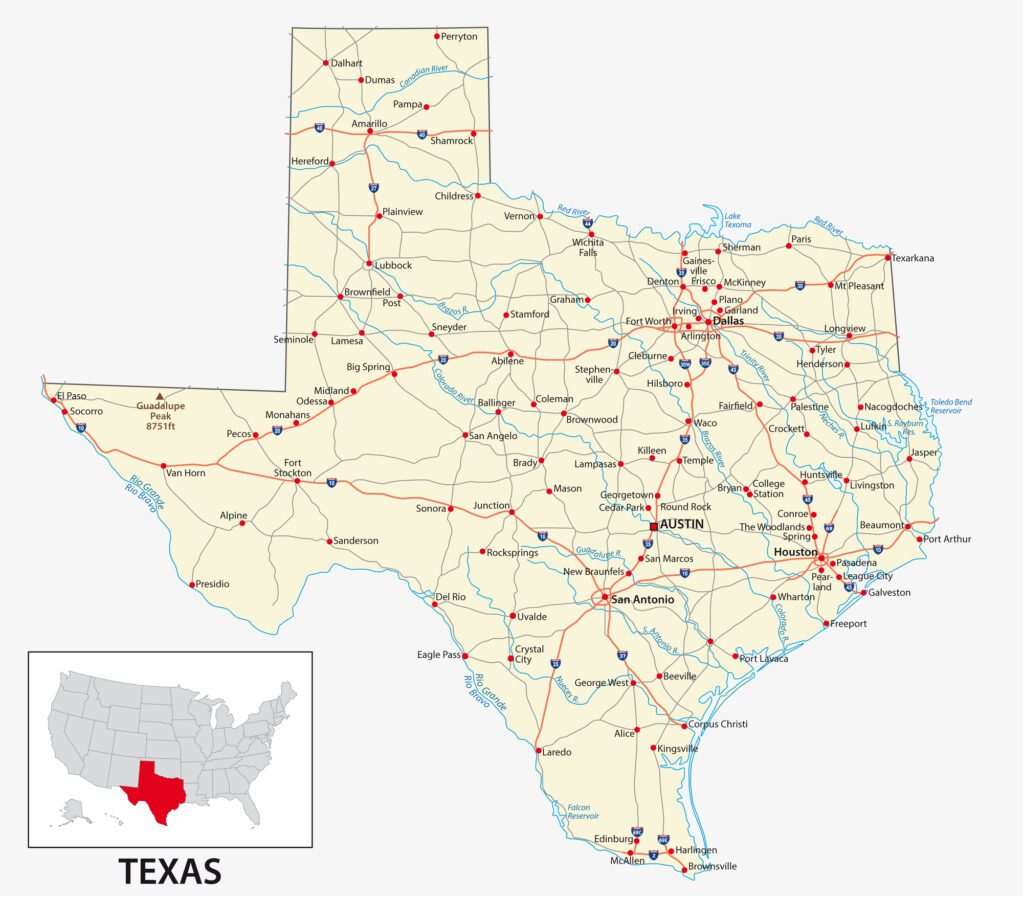
Texas electricity rates depend on several factors, including the local grid, population density, the fuels used by power plants, and local regulations. Each piece plays a part in why rates vary across the state.
Transmission and Distribution Infrastructure
Electricity travels over transmission lines to reach homes and businesses. In Texas, some areas have older or less efficient infrastructure, which raises delivery costs. Living far from power plants or in a region with frequent grid congestion can push rates higher.
Upgrades and repairs to poles, wires, and substations add to costs. For instance, West Texas has long transmission lines stretching to cities, which can tack on several cents per kilowatt-hour. By contrast, significant metro areas often benefit from newer, denser infrastructure, which keeps transport costs down.
Congestion pricing is a reality in the Texas market. Delivering power to high-demand zones during peak times costs more, and that shows up on your bill. Infrastructure does make a difference in what you pay for electricity in Texas.
Population Density and Urban vs Rural Demand
Population density significantly influences Texas electricity prices. In places like Houston or Dallas, high user concentration allows utilities to spread grid maintenance costs over more customers, resulting in lower per-user charges.
Rural customers pay more for each mile of line, since the same infrastructure serves fewer homes. Serving remote areas means utilities recover costs from a smaller base, so distribution and service fees are generally higher. Fewer providers in rural spots can also limit choices.
Urban growth sometimes boosts demand, putting stress on local supply and infrastructure. This can lead to short-term rate hikes if upgrades lag, but over time, cities usually settle into steadier prices thanks to bigger, more competitive markets.
Regional Generation Mix
Texas draws electricity from a mix of sources, natural gas, wind, solar, and coal, but not every region uses the same blend. Areas that rely on wind or solar see rates that can swing with the weather. Places closer to natural gas plants might get steadier pricing, though they’re still tied to gas market shifts.
Locational Marginal Pricing (LMP) directly links the generation mix to local prices. The Panhandle, with its high concentration of wind farms, can have low prices when the wind is strong, but rates spike if the wind drops or transmission gets bottlenecked. Meanwhile, regions that import power often pay extra for transmission and congestion, so location matters for Texas electricity rates.
Local Regulatory Environments
Regulation isn’t the same everywhere in Texas. In deregulated areas like most of ERCOT, customers can shop for providers and plan types, which brings competition and sometimes lower rates. But prices can be volatile, shifting quickly with the market.
In regulated regions, usually served by municipal utilities or electric co-ops, rate changes need approval from a board or commission. That slows down sudden spikes, but it can also mean less flexibility and fewer options for residents.
Cities and counties set their taxes, fees, and surcharges, adding another layer to what you pay. Knowing whether your area is regulated or deregulated helps when you’re trying to predict changes in Texas electricity prices or pick a plan.
Significant Factors Driving Rate Changes Across Texas
Electricity rates across Texas fluctuate based on supply and demand, fuel prices, and severe weather. The practical impact hits your bill, whether it’s from summer usage spikes, storms, or swings in the fuel market.
Weather and Seasonal Demand
Texas weather drives big swings in electricity demand. Hot summers in Dallas and Houston ramp up air-conditioning use, pushing demand to record highs. ERCOT, the state’s grid operator, sometimes asks folks to conserve power during heat waves or cold snaps when supply gets tight.
Rates tend to spike in July, August, January, and February, when usage peaks. In milder months like April, May, and October, rates usually dip. Variable-rate plans can leave people exposed to these surges.
Locking in a fixed-rate plan during spring or fall, when prices are often lower, can help. It’s also smart to keep an eye on ERCOT’s forecasts, to get a sense of when rates might change.
Natural Gas and Fuel Price Fluctuations
Natural gas powers nearly half of Texas electricity, so regional rates track closely with national and international gas markets.
When natural gas prices jump, electric bills typically rise too. Texas exports a lot of natural gas, and shifts in exports or supply can move prices fast. Since fuel trades daily, any shortages or price spikes show up quickly in wholesale electricity rates and, soon after, on consumer bills.
Before signing up, check your utility’s fuel price adjustment policies. If your plan allows, shifting heavy-use tasks to off-peak times can help manage costs.
Impact of Extreme Events Like Winter Storm Uri
Severe weather significantly impacted Texas electricity rates during Winter Storm Uri in February 2021, freezing equipment and fuel shortages crippled generation. ERCOT had to roll out blackouts, and wholesale rates soared.
Even now, those impacts linger through higher fees, new regulations, and investments in grid resilience. Utilities spread the cost of emergency purchases and grid upgrades over time, often through delivery or ancillary charges that show up on bills. Some contracts now include clauses that shift risk or extra costs to customers during emergencies.
It’s worth checking your plan for special provisions tied to emergencies, and staying updated on ERCOT’s alerts during extreme weather.

How Consumers Can Respond and Save
Texans can take direct steps to manage electricity costs by picking the right plan, shopping by zip code, and using efficient appliances. Each approach tackles the main drivers behind rate differences across the state.
Choosing the Right Electricity Plan
In Texas, deregulation lets customers compare plans from multiple retail electricity providers. The best plan isn’t always the one with the lowest advertised rate. It’s essential to look at the contract length, usage tiers, early termination fees, and whether pricing is fixed or variable.
Reviewing past bills helps estimate typical usage, which makes it easier to spot which plans fit best. Some plans offer lower rates for off-peak hours or heavy users. Fixed-rate plans bring price stability, while variable-rate plans might offer savings if rates drop, but can backfire when prices spike.
The Electricity Facts Label (EFL) for every plan lists rate structures, recurring charges, and hidden fees. Comparing several EFLs side by side helps avoid surprises and makes a solid choice.
Shopping by Zip Code
Electricity prices and the list of available providers can vary significantly depending on your zip code. Entering your zip code on comparison sites like the Public Utility Commission of Texas (PUCT) or trusted brokers brings up real-time rates tailored to your area.
Some places have more competition, which leads to better rates or more plan options. Others might be limited, primarily where infrastructure or demand doesn’t support many providers. Filters for plan type, contract terms, and green energy options make it easier to narrow things down.
Side-by-side tables show differences in energy charges, base fees, and any special offers. Focusing the search this way saves time and helps avoid overpaying just because of where you live.
Optimizing Energy Usage with Efficient Appliances
Switching to energy-efficient appliances can significantly reduce your monthly bill. ENERGY STAR® labels show up on plenty of refrigerators, washers, and HVAC units across Texas, and those tend to use less electricity than older models.
Old appliances, especially air conditioners and heaters, have a way of running up the electric bill. Upgrading to newer, more efficient gear isn’t cheap at first, but with those Central Texas summers, the savings can stack up over time. That’s especially true when the grid is under strain and rates go wild.
Some folks adjust the thermostat a few degrees higher in the summer, let ceiling fans do more of the work, unplug chargers, or wash laundry in cold water. Sure, these steps might seem minor, but over a long, sticky Texas summer, those choices start to matter. Pairing these habits with a bright electricity plan and a careful provider search can keep those bills from ballooning.

⚡ Check Texas Energy Rates
Enter your ZIP code to see lowest electricity rates in Texas


Frequently Asked Questions

Christian Linden is a seasoned writer and contributor at Texas View, local Texas resident, travel enthusiast.and author of the Home Energy Playbook. He specializes in topics that resonate with the Texan community. With over a decade of experience in journalism, Christian brings a wealth of knowledge in local politics, culture, and lifestyle. When he's not writing, Christian enjoys spending weekends traveling across Texas with his family, exploring everything from bustling cities to serene landscapes.