A TDU, or Transmission and Distribution Utility, in Texas is responsible for delivering electricity to homes, maintaining power lines, and ensuring reliable service, regardless of the retail electric provider chosen by consumers.
Did you know that TDU charges can make up a significant portion of your Texas electricity bill? These fees are more than just line items; they fund essential services that keep the lights on in your home. A Transmission and Distribution Utility (TDU) is responsible for delivering electricity and maintaining the power lines, especially after those wild Central Texas thunderstorms that can wreak havoc on our infrastructure.
Understanding these charges helps you see where your hard-earned money goes each month. So, let’s break down how TDUs work and what they mean for Texans today.
What Is a TDU in Texas?
In Texas, a Transmission and Distribution Utility (TDU) takes care of the actual delivery of electricity from power plants to businesses and homes. It helps to understand how TDUs fit into the overall electricity setup, how they differ from Retail Electricity Providers, and how deregulation has changed the game for Texans.
The Role of Transmission and Distribution Utilities
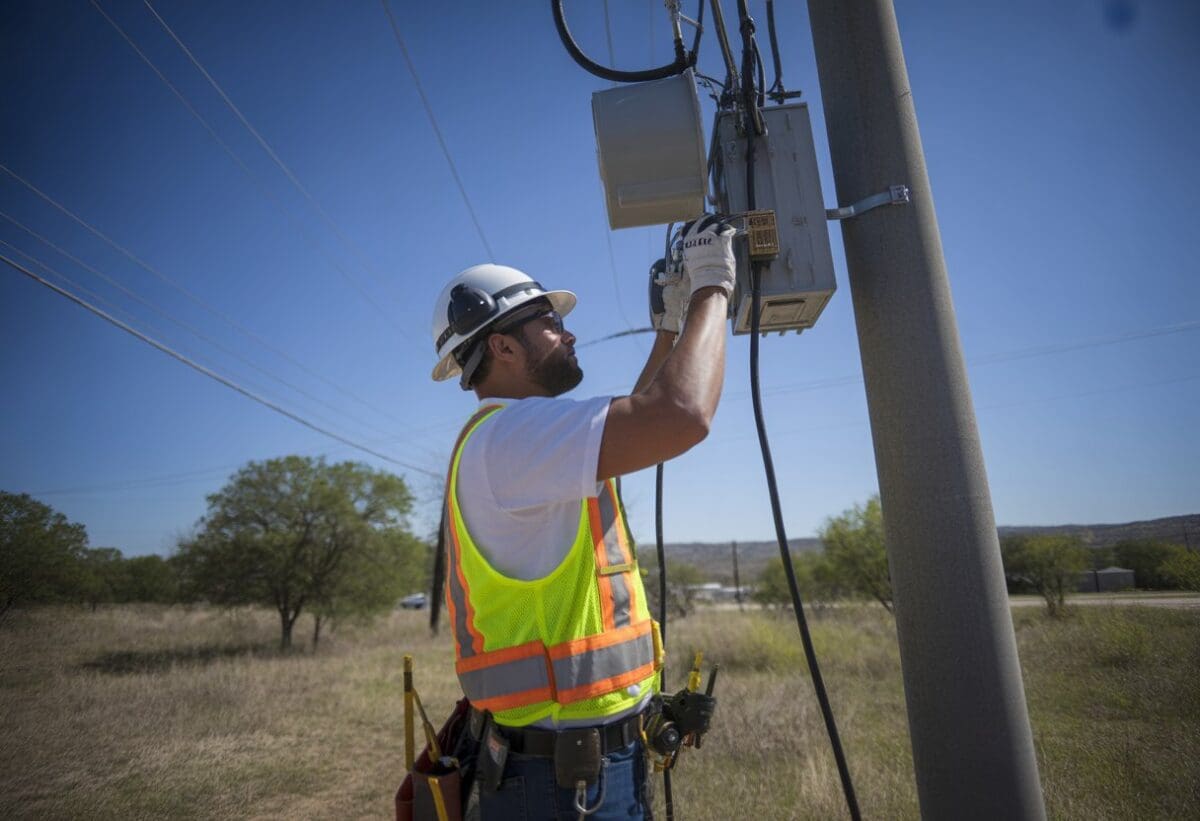
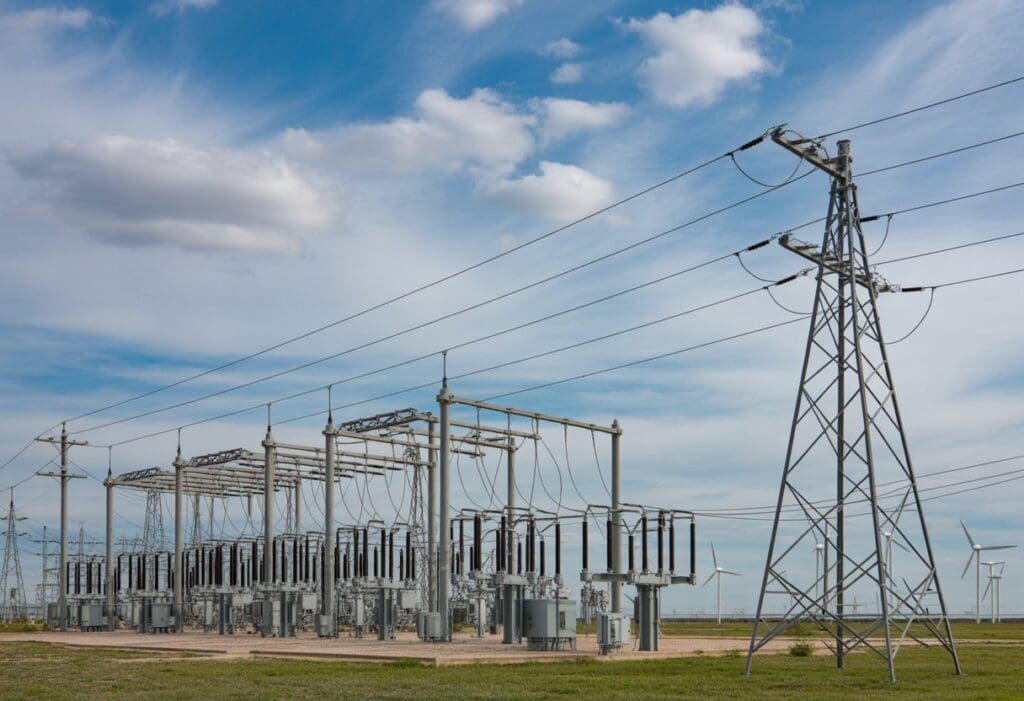
A Transmission and Distribution Utility (TDU), sometimes called a Transmission and Distribution Service Provider (TDSP), runs the physical infrastructure, think poles, wires, transformers, and meters, that moves electricity from the generator to your property.
These companies don’t generate electricity or sell you a plan. Instead, they focus on keeping the grid running safely and reliably within their slice of Texas. When there’s an outage or you need a meter read, the TDU is the one who shows up.
The Public Utility Commission of Texas (PUCT) approves the delivery fees TDUs charge. You’ll spot these as separate line items on your bill, covering the costs of grid maintenance and repairs, no matter which retail provider you sign up with.
Difference Between TDU and Retail Electricity Provider
TDUs deliver and take care of the grid, but Retail Electricity Providers (REPs) are the ones who sell you plans, set your electricity rate, handle your billing, and deal with questions about your contract.
For example, if the power goes out in your Houston neighborhood, you’d call CenterPoint Energy, your TDU. But if you want to switch to a new electricity plan or ask about a weird charge, you’d reach out to whoever your REP is, maybe Reliant or Gexa.
| Function | TDU/TDSP | Retail Electricity Provider (REP) |
|---|---|---|
| Maintains Grid | Yes | No |
| Delivers Electricity | Yes | No |
| Sells Plans | No | Yes |
| Handles Outages | Yes | No |
| Bills for Energy | No | Yes |
| Sets Delivery Fees | No (PUCT-approved) | No |
TDUs and Deregulation in the Texas Electricity Market
Thanks to deregulation, Texans can pick from a bunch of Retail Electricity Providers, but only one TDU serves each address, based strictly on where you live. This split came about when Texas separated electricity generation, retail sales, and delivery into distinct parts.
Your REP handles your plan and rates, but your location sets your TDU and stays the same no matter who you buy your electricity from. The PUCT sets delivery charges, so they don’t change based on which REP you pick.
TDUs must serve everyone in their territory fairly, regardless of REP. They focus on grid management and keeping the system up and running, while REPs handle the pricing and sales side. If you move from Amarillo to Austin, your TDU changes, but your REP options might even grow.
Key TDUs and TDU Charges in Texas
Knowing who brings power to your house, how TDU charges show up on your bill, how those charges are set, and who to call during a blackout all matter more than you might think. These details can make a real difference when you’re trying to keep track of your electricity costs.
Major TDU Providers and Their Service Areas
Six main Transmission and Distribution Utilities (TDUs) handle electricity delivery, outages, and grid maintenance across Texas. Here’s how the territories break down:
| TDU Name | Service Area Highlights |
|---|---|
| Oncor | Dallas, Fort Worth, Waco, North Texas |
| CenterPoint Energy | Houston, Beaumont |
| AEP Texas Central | Corpus Christi, Laredo, South Texas |
| AEP Texas North | Abilene, San Angelo, North/West Texas |
| Texas-New Mexico Power | League City, Glen Rose, West Texas |
| Lubbock Power & Light | Lubbock |
Each TDU covers its region, and you can’t pick or switch. The TDU you get depends entirely on your address, not your electricity provider.
Understanding TDU Delivery Charges on Your Electricity Bill
Look for a separate line on your bill labeled “TDU Delivery Charges” or “TDU pass-through charges.” That’s where you’ll see what you’re paying for grid upkeep, meter reading, and all the behind-the-scenes work it takes to get power to your door.
Everyone in the same service area pays the exact TDU charges, no matter if you’re with TXU, Reliant, or anyone else. You’ll see both a flat monthly fee and a usage-based charge (per kWh) listed out.
How TDU Fees and Pass-Through Charges Are Calculated
The Public Utility Commission of Texas (PUCT) sets TDU rates. TDUs submit their costs, and the PUCT reviews and updates fees twice a year, typically in March and September.
TDU charges break down into two main parts: there’s a fixed monthly charge that doesn’t change with usage, plus a variable charge that depends on how much electricity (kWh) you use that month.
To check your current rates, you can look at your Electricity Facts Label or ask your provider. TDU rates aren’t something you can shop for; they’re set for everyone in the utility’s territory.
TDU Contacts and Power Outage Reporting
When the lights go out, reaching out to your Transmission and Distribution Utility (TDU) directly gets things moving faster than contacting your retail provider. Here’s how to get in touch with the folks who handle the wires and poles in Texas:
- Oncor: 1-888-313-4747
- CenterPoint Energy: 1-800-332-7143
- AEP Texas Central / North: 1-866-223-8508
- Texas-New Mexico Power (TNMP): 1-888-866-7456
- Lubbock Power & Light: 806-775-2509
Each TDU maintains its website and phone lines, which are updated with outage maps and weather alerts. Sometimes, these sites are the first to know when a storm knocks out power in Dallas, Houston, or the Panhandle. Having the correct number handy can save a lot of frustration when the AC goes silent in the Texas heat.

⚡ Check Texas Energy Rates
Enter your ZIP code to see lowest electricity rates in Texas



Christian Linden is a seasoned writer and contributor at Texas View, local Texas resident, travel enthusiast.and author of the Home Energy Playbook. He specializes in topics that resonate with the Texan community. With over a decade of experience in journalism, Christian brings a wealth of knowledge in local politics, culture, and lifestyle. When he's not writing, Christian enjoys spending weekends traveling across Texas with his family, exploring everything from bustling cities to serene landscapes.