Texas electricity rates average 15.47¢/kWh, slightly below the national average of 16.22¢/kWh. Monthly bills average $230, influenced by deregulation, competition, and abundant natural gas and wind energy.
Texans pay about $230 a month for electricity, totaling nearly $2,760 a year. While our average rate of 15.47 cents per kWh is about 5% cheaper than the national average of 16.22 cents, many folks still feel the pinch when the bill arrives.
What makes Texas unique isn’t just the lower rates; it’s our deregulated market that lets you choose your electricity provider. Understanding how Texas compares to the rest of the country and the factors that influence these costs can save you money. Here’s how it works, and what it means for Texans today.
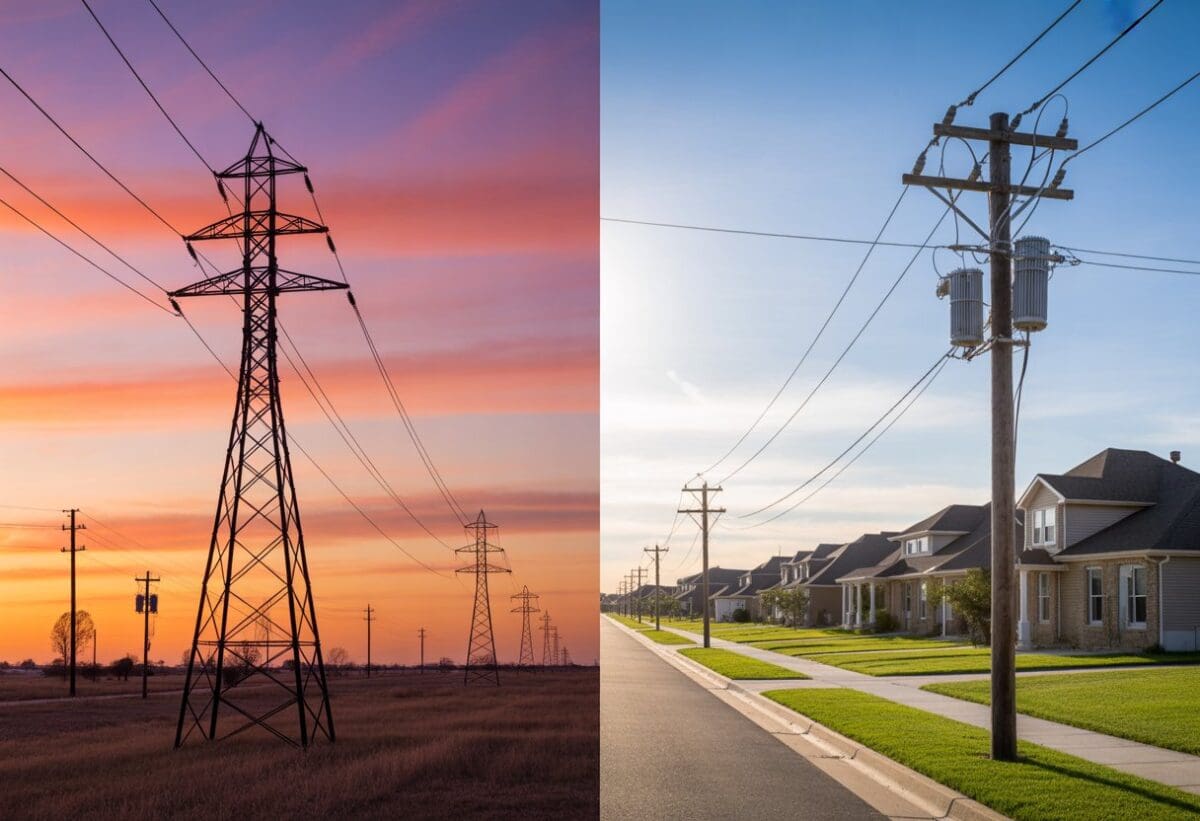
Understanding Electricity Costs in Texas and Nationwide
Electricity prices reflect what you pay per kilowatt-hour (kWh) of energy, and the US Energy Information Administration (EIA) tracks these numbers for every state. The way these prices get set and reported can seem confusing, but it all comes down to a few main factors.
Defining Electricity Prices and Energy Costs
Electricity prices show the cost per kWh listed on your bill. Energy costs cover the total you pay, which fluctuates based on your usage habits.
The price per kWh usually stays steady if you’re on a fixed-rate plan, but your bill jumps around based on how much juice you use that month.
Several things shape your rate: the cost to generate power at Texas plants, what it takes to move electricity across the state’s grid, state and local fees, how much competition exists in your area, and seasonal demand spikes.
Texas makes a good example here. For commercial users, the state keeps rates at 9.00 cents per kWh, while the national average hits 13.27 cents, a 47% gap.
To figure out your total energy cost, multiply your rate by your usage. A business using 1,000 kWh a month pays $90 in Texas, but $132.70 elsewhere at those commercial rates.
How the US Energy Information Administration Tracks Rates
The US Energy Information Administration (EIA) gathers monthly electricity pricing data from utilities in every state. Their reports show how rates swing from 11.69¢ to 42.49¢ per kWh across the US.
They collect information from residential, commercial, and industrial sectors, then publish it with a lag of two to three months for accuracy.
The EIA gets its data from utility company submissions, state regulatory reports, independent system operators, and regional transmission organizations.
The latest EIA numbers show residential electricity rates averaged 17.11 cents per kWh in March 2025, up from 16.68 cents in March 2024, which is a 2.6% year-over-year bump.
Texas comes in at 29th place nationwide for residential rates, sitting at 15.47 cents per kWh, 11% under the national average, even after a slight 1.66% increase from last year.
Comparison of Texas and National Electricity Rates
Current Texas Electricity Rates and Trends
Texas keeps electricity rates among the lowest in the country. This edge stems from the state’s deregulated market and access to an abundance of natural gas and wind energy.
Competition among retail providers, combined with substantial natural gas reserves and a robust wind power sector, helps keep rates down.
The Public Utility Commission of Texas tracks rates from different providers, and prices can swing quite a bit even within the same city.
Wholesale prices in Texas (ERCOT) bounced around in May 2025, with summer peak demand and winter storms sometimes causing sharp but temporary jumps.
National Average Electricity Prices by State
Hawaii tops the list at 38.60 cents per kWh, with California and Connecticut not far behind. On the flip side, North Dakota, Wyoming, and Louisiana offer the lowest rates, all under 9 cents per kWh.
Texas ranks 42nd lowest out of all states. The EIA data credits Texas’s diverse energy mix and open market for these lower prices.
Fuel costs, how electricity gets generated, and the state’s grid all play a part in these differences. Places with lots of fossil fuels or hydro power, for example, usually see cheaper rates.

Average Electricity Bills
Most Texans pay about $126 per month for electricity, while the national average is $139. The actual cost you pay depends on your home size and the amount of power you use.
Comparison Table
| Home Type | Texas Monthly Bill | National Monthly Bill | Texas Rate (¢/kWh) | National Rate (¢/kWh) |
|---|---|---|---|---|
| 1 Bedroom Apt | $85-115 | $95-125 | 15.5 | 16.8 |
| 2 Bedroom Apt | $105-135 | $115-150 | 15.5 | 16.8 |
| 2 Bedroom House | $130-170 | $145-185 | 15.5 | 16.8 |
| 3 Bedroom House | $155-205 | $175-225 | 15.5 | 16.8 |
| 4 Bedroom House | $185-245 | $210-275 | 15.5 | 16.8 |
| 5 Bedroom House | $220-290 | $250-325 | 15.5 | 16.8 |
EIA pricing data shows Texas keeps rates lower than the national average. The state’s deregulated market pushes providers to offer better deals, no matter your home size.
Your actual bill shifts with the seasons, how efficient your HVAC is, and the plan you picked. Summer in Texas? Bills can jump 40-60% thanks to the AC cranking almost nonstop.
1 Bedroom Apartment
Monthly electricity bills for a typical 1-bedroom apartment range from $85 to $115, covering 600-800 square feet and using 550-750 kWh. Summer AC costs more, especially with older units, while appliances add $15-25, and water heating adds $20-30. To save energy, set the thermostat to 78°F, use LED bulbs, unplug devices, and close blinds. In winter, bills drop to $60-85.
2 Bedroom Apartment
Electricity costs for a 2-bedroom apartment range from $105 to $135, covering 900-1,200 square feet and using 675-875 kWh. Expect to pay $25-35 more than for a 1-bedroom due to the extra lights and outlets. AC accounts for 60-65% of the bill, with water heating at 18-20%. Smart thermostats can save $20-40 during peak months.
2 Bedroom House
A 2-bedroom house typically costs between $130 and $170 monthly, using 850-1,100 kWh in 1,000-1,400 square feet. Houses use 25-30% more power than apartments due to their larger size and less insulation. Installing a programmable thermostat can save $30-50 in summer.
3 Bedroom House
Expect to pay $155 to $205 monthly for a 3-bedroom house, using 1,000 to 1,325 kWh in 1,400-1,800 square feet. Higher cooling needs from larger spaces can increase costs by 15-25%. Bills may spike to $220-$280 if HVAC or insulation is outdated.
4 Bedroom House
For a 4-bedroom house, plan on $185 to $245 monthly, using 1,200 to 1,575 kWh in 1,800-2,400 square feet. Additional rooms increase energy needs, with each room adding $15-25 to the bill.
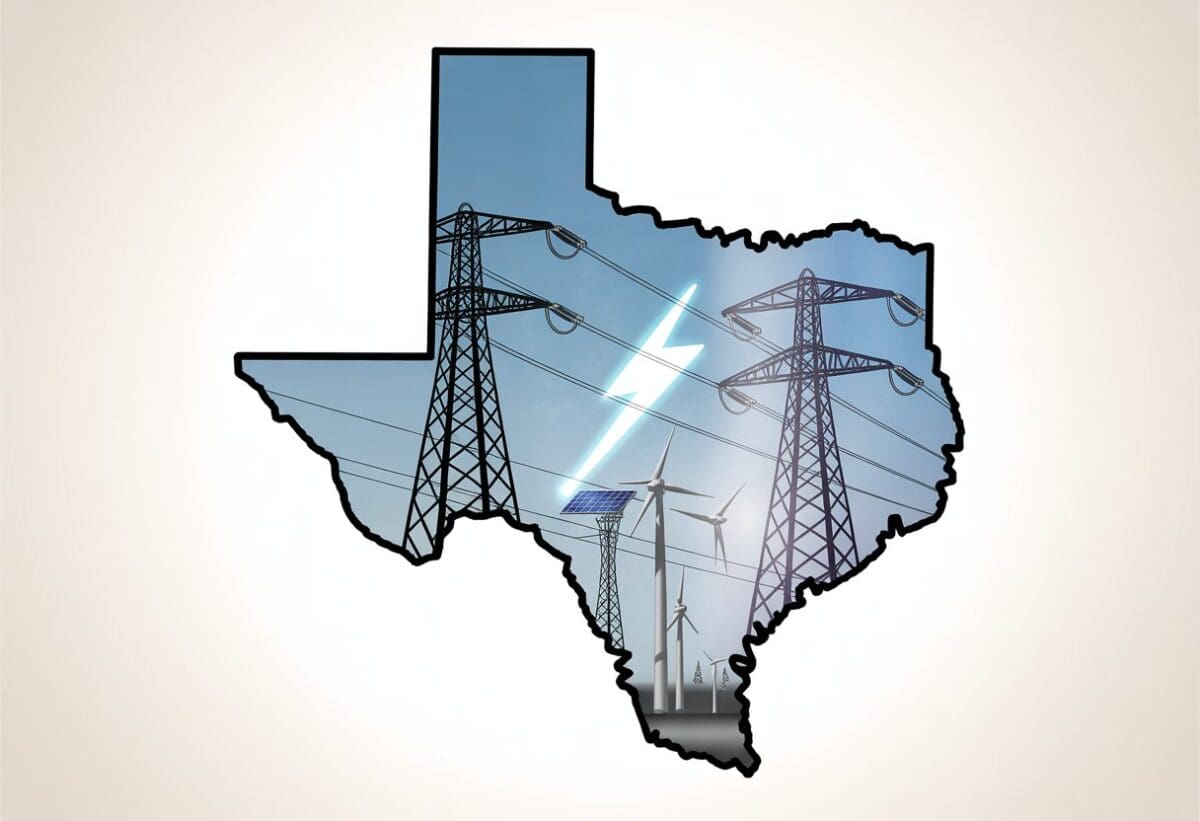
Factors Affecting Texas Electricity Costs
Texas electricity prices are shaped by its reliance on natural gas and a deregulated market, differing significantly from those of other states.
Local Energy Resources and Generation
Natural gas powers over 40% of Texas’s grid, keeping bills lower than in states using pricier fuels. Wind energy also plays a key role, lowering wholesale prices during high wind. Coal usage has declined, and when natural gas prices rise, remaining coal plants can push costs higher. Summer peak demand can strain the grid and spike prices.
Market Deregulation and Provider Choice
Texas’s deregulated market allows residents to choose from many providers, often resulting in lower rates compared to regulated states. However, consumers must carefully compare plans and pricing to avoid unexpected costs. Price swings occur quickly in deregulated areas, with wholesale changes reflected on bills sooner than in traditional utility setups.
Regional Variations Within Texas
Electricity rates in Texas vary significantly by location due to infrastructure quality and local conditions, even in a competitive deregulated market.
Differences Between Major Texas Cities
Houston generally has lower rates due to its proximity to natural gas sources. In Dallas and Fort Worth, rates are slightly higher due to distance from energy hubs. Austin tends to have some of the highest rates, influenced by its renewable energy initiatives and municipal utility. San Antonio’s rates are moderate, while El Paso benefits from connections to both Texas and Western power grids, offering more options.
Impact of Infrastructure on Rates
Transmission lines and grid quality affect pricing. Areas with efficient lines have lower rates, while rural residents often face higher bills due to longer delivery distances. Urban areas benefit from better infrastructure, which helps keep costs down.
Severe weather regions require stronger infrastructure, which in turn increases prices. Additionally, grid modernization varies across Texas, with newer tech leading to more stable pricing.

Renewable Energy and Electricity Prices
Renewable energy significantly impacts electricity prices nationwide. States with abundant hydropower, like Washington, enjoy lower rates, while Texas relies on wind and solar.
Role of Hydropower in State Comparisons
Hydropower creates cost advantages for states with ample water resources. For example, Washington’s average electricity price is just 9.58 cents per kWh, thanks to its hydroelectric systems. Texas, with its flat landscape and few rivers, cannot harness hydropower effectively, relying instead on fossil fuels and renewables.
Renewables Adoption in Texas
Texas is a leader in wind energy and is expanding its solar capacity. Its average retail price of 10.04 cents per kWh indicates that wind and solar help stabilize costs. ERCOT’s market enables renewables to compete with gas and coal, resulting in lower wholesale prices during periods of peak output. While Texas can’t match hydropower’s consistently low rates, its wind and solar growth help mitigate price spikes.

⚡ Check Texas Energy Rates
Enter your ZIP code to see lowest electricity rates in Texas


Frequently Asked Questions

Christian Linden is a seasoned writer and contributor at Texas View, local Texas resident, travel enthusiast.and author of the Home Energy Playbook. He specializes in topics that resonate with the Texan community. With over a decade of experience in journalism, Christian brings a wealth of knowledge in local politics, culture, and lifestyle. When he's not writing, Christian enjoys spending weekends traveling across Texas with his family, exploring everything from bustling cities to serene landscapes.